




Free Backlinks Sites List: 100+ High DR Websites for SEO in 2026
Remember the early days of link-building, when you could drop a link anywhere on the web, and it would just work? The next morning, you’d watch your rating climb up.
Those were the golden days, the Wild West of SEO (an era of lawless spam tactics and unmoderated manipulation), the “easy button”, or you name it, but whatever it was, it is gone now.
It’s 2026 already, and modern, smart search engine algorithms have radically optimized the link-building playbook. The old-school, reckless tactics that used to list backlinks anywhere and everywhere have been neutralized by AI-powered spam filters.
The “easy button” of SEO is gone forever.
Link building has changed to the point where you can no longer afford to spam the web. Instead, you need to establish yourself as a subject matter expert on authoritative platforms with a high domain rating and use mindful link-building tactics with smart anchor text placement.
So, if you want to succeed in link-building in 2026 and are looking for a curated list of free backlink sites, you are in the right place. However, this guide will give you much more—a complete blueprint of how to get free backlinks targeting high-DR websites and achieve link safety in 2026.
What are free backlinks?
Free backlinks are inbound links that point towards your website and its pages from third-party platforms. The free part refers to the absence of costs for you when placing those links.
The platforms where you can get such backlinks are free to use, and anyone, including yourself, can create an account there and share content that links back to their websites.
Free backlinks can be divided into two distinct types:
- User-generated backlinks (foundational SEO). These are created on platforms with open registration. Anyone from the general public can sign up, create an account, and contribute content with strategically positioned backlinks. For example, publishing articles on Medium, Manifold, or Figshare, creating business directory listings for your brand on Yelp, or setting up professional profiles on GitHub or LinkedIn.
- Earned editorial backlinks (Organic SEO). You can get these when a website owner decides to link to your website in their publications because they find your content interesting and worth sharing (because it contains original data, insights, novel ideas, non-standard opinions, etc.).
Are free backlinks still effective in 2026?
Yes, they are. However, the mechanism of how free backlinks impact search ranking has changed completely.
In the old SEO days, you could thrive with bulk link acquisition. In 2026, algorithmic intelligence focuses heavily on real-time quality and context, making the strategy behind your link-building far more important than the brute force of sheer link volume.
What Google Says About Link Building
Google’s search policies are designed to restrict manipulative link acquisition and encourage honest and authentic link-building practices. Its intelligence and algorithmic capabilities are growing day by day.
If a decade ago you could employ a link farm and get thousands of low-quality links (all of which would be one type only—dofollow) and enjoy unrestricted search ranking growth, today Google will quickly identify and stop this as an unscrupulous, manipulative practice.
In 2026, launching a sustainable link building campaign requires a clean, diversified footprint rather than bulk, single-type acquisition shortcuts.
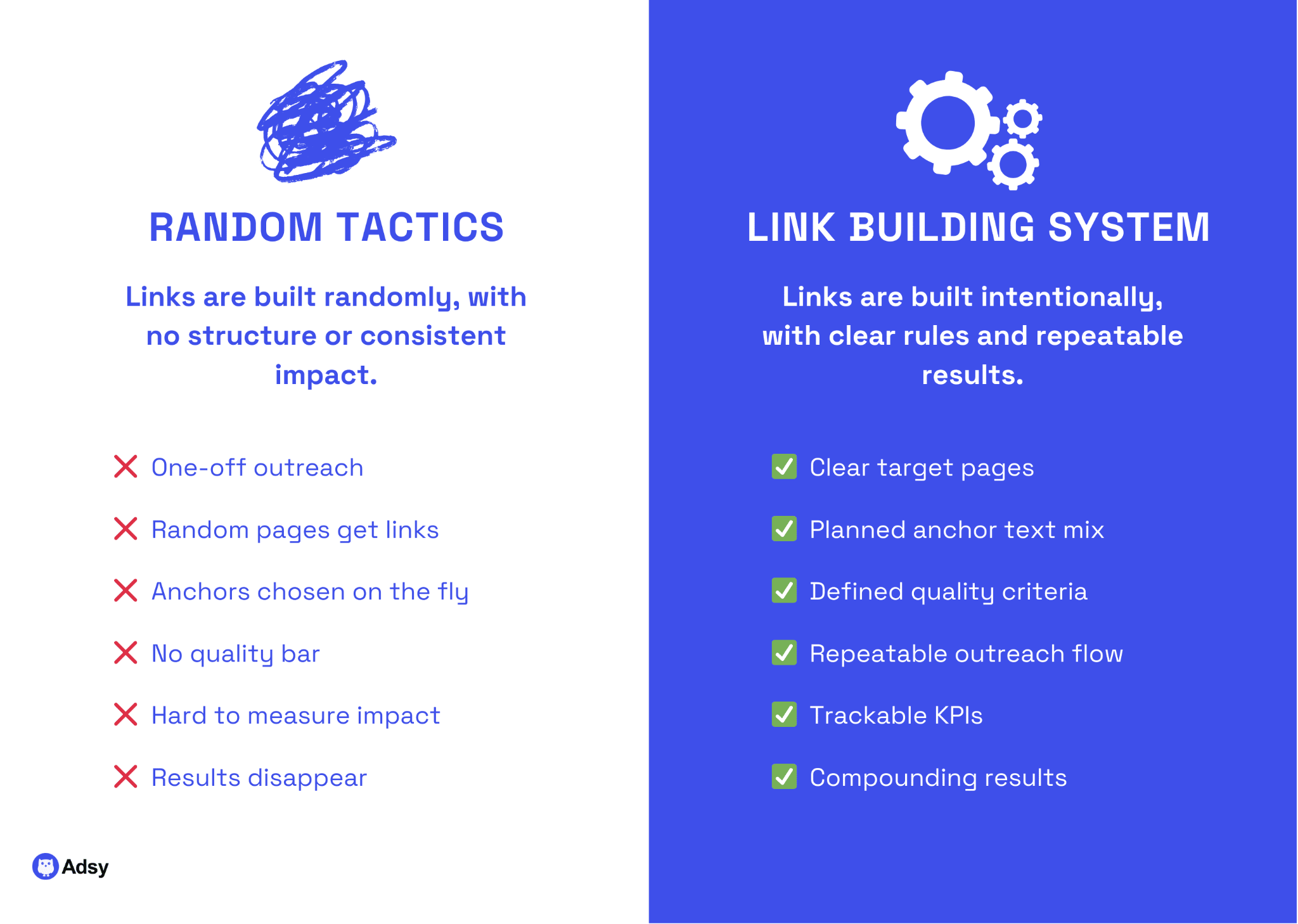
In 2026, Google can detect and effectively neutralize deceptive link practices in real time. As a result, your rankings will degrade faster than you can open and check them in Ahrefs or Semrush.
Creators can only win in SEO if they focus on building a diverse footprint using high domain authority sites for backlinks. Google increasingly prefers descriptive, concise anchor text over commercial exact-match keywords, which can easily trigger its spam penalties.
So, Google is the key SEO referee and a commander of swarms of crawlers. It restlessly scans the web, rewarding fair and competent players and penalizing incompetent cheaters.
Which Free Links Still Work
Even though many platforms allow anyone to create an account and publish content for free, it doesn’t mean we can neglect editorial standards. On the contrary, a free link will only work if a platform where it's placed implements strict editorial standards and truly cares about the quality of its content.
The best free backlinks must be contextually relevant and thoughtfully distributed across content that solves real user problems, answers nascent questions, and introduces novel ideas.
The secret to backlinks' efficiency on third-party platforms is to treat the content you place there as your own blog or website. For maximum efficiency, focus on these three content categories:
- Web 2.0 editorial hubs: Platforms like Medium, Substack, and LinkedIn Pulse, where you can publish comprehensive, unique articles containing natural contextual links. The key is to focus on content utility and helpfulness for real users. Minimum fluff, maximum value.
- Authority document sharing: Uploading interesting ideas, novel research pieces, highly informative PDFs, or presentation slides to authoritative platforms for knowledge sharing, like SlideShare or Scribd.
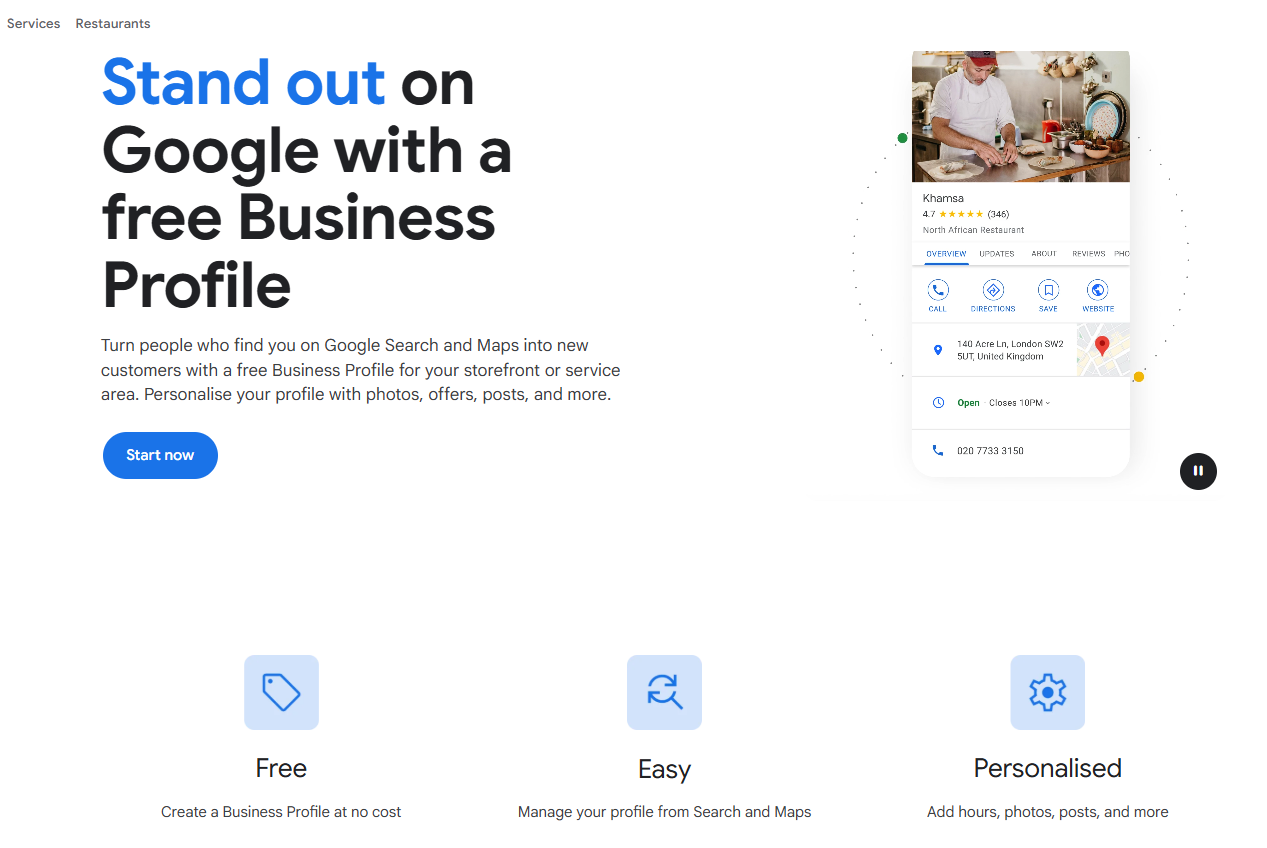
- Highly curated local profiles: Establishing authority and expertise via major local search ecosystems like Google Business Profile or Yelp.
Source: Google
For a complete picture, we must distinguish between two types of backlinks: dofollow backlinks and nofollow backlinks. Both still work in 2026, but a healthy backlink profile must include both types of links:
- The Dofollow Anchors (Web 2.0 & Portfolios): Passing direct authority and boosting your baseline Domain Rating (DR). Traditionally, these are the backlinks that pass their value (also known as “link equity” or “link juice”) from the host site to the recipient site. In simple SEO terms, a dofollow link sends a message to a search engine: “I find this website trustworthy, and I want to send part of my own value to it”.
- The Nofollow Authority Hints (Communities & Q&A): These links protect your link velocity, drive real referral traffic, and feed AI search engines with trust signals. Traditionally, nofollow links have been the best backlinks type for generating organic traffic.
Links That Can Hurt Rankings
One thing that needs to be clarified upfront—it's not the link itself that can hurt rankings, at least nothing in the link type or address that can explicitly say that it’s going to be detrimental for rankings. Rather, it’s about where and how the link is used.
One rule of thumb works amazingly well here—if a link is easy to place (let’s say it takes zero effort, one click, or an automated click), then it poses a very high risk of damaging your SEO health. Subsequently, if a platform allows bulk link placement, the chances are high that it will hurt rankings.
Search engines have gotten extremely good at spotting such unscrupulous link-building practices and will not hesitate to block and downrate a resource that demonstrates unnatural link velocity or footprint patterns. Dropping links into low-quality environments triggers direct demotions, turning a cheap backlinks website free database into a severe liability.
To protect your domain authority and brand reputation, avoid the following link-building traps:
- Automated profile blasts: Using software that allows you to create hundreds of user profiles in minutes, just drop a homepage URL (or any other link) into each one.
- Hidden or scripted links: Practicing link injections via malicious code, hidden CSS text properties, or widget embeds. All are easy for smart search algorithms to detect and penalize overnight.
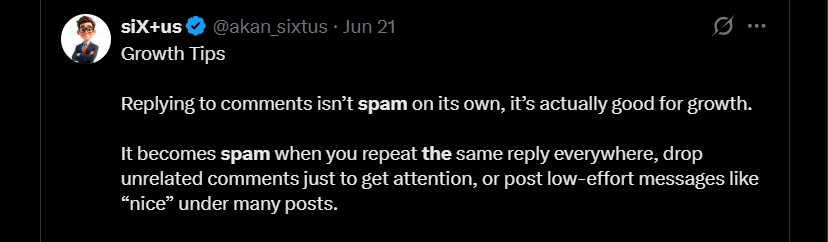
- Unmoderated comment spam: Producing an ocean of copy-pasted comments on unrelated or vaguely related websites, where you mention and link to your brand, your homepage, or a particular product. But as always, not all comments are bad for SEO:
Source: X
These practices are deceptively easy to implement, and their effect is equally detrimental to your backlink profile and overall SEO health.
How we selected these free backlink sites
The internet is flooded with guides promising hundreds of high-authority resources where you can get backlinks for free. Such guides usually claim complete coverage of this topic.
In reality, a vast majority of those legacy guides are outdated, containing many completely dead targets or low-quality ones. Little surprise here, as checking each platform for link-building takes time.
To ensure our list gives readers real value and effectively avoids the problems mentioned above, we put every single website through a rigorous, multi-tiered vetting pipeline. And we didn’t just loop up domains and names; we ran each domain through six rigorous quality checks to ensure they offer real SEO value.
Our strict quality evaluation criteria:
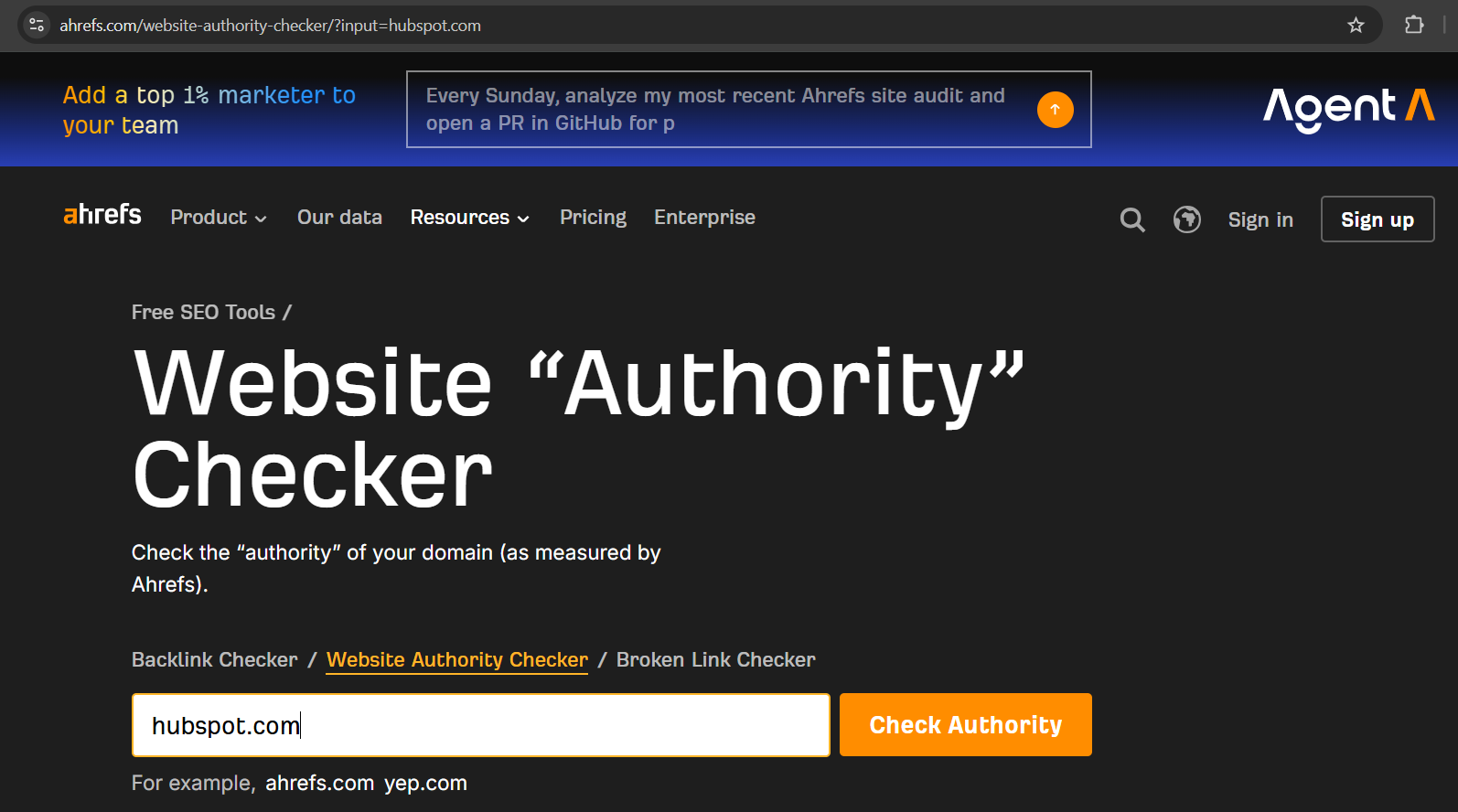
1. Domain Authority (DA). We manually checked each domain to have a higher-than-average domain authority/domain rating (50 or higher). By leveraging high domain authority sites for backlinks, you directly inherit their established link authority—an asset that would have taken you years and immense budgets to build from scratch.
For example, Semrush or Ahrefs—two highly popular SEO tools—allow for a one-click authority check of any domain:
Source: Ahrefs
2. Traffic. Without organic traffic, even a high domain authority rating is pointless. Moreover, it’s easy to fake a high DA if a domain is part of a link farm or an expired network. That’s why we have checked that each website on our list has real human traffic.
3. Indexing. Organic traffic gets noticed by search crawlers who visit such resources regularly and index them. We manually verified that the pages on all 100 platforms cleanly enter Google’s search index without requiring external indexing hacks. This procedure is more important than it seems at first sight, since search engines have recently reduced their indexing budgets significantly for user-generated content.
4. Moderation. Part of the website’s authority is attributed to the publishing guidelines and their good execution. Usually, the best quality of publications and best backlinks are achieved through relevant moderation on a platform’s side. Part of it is done by human moderators, and the other part by smart algorithms and spam filters.
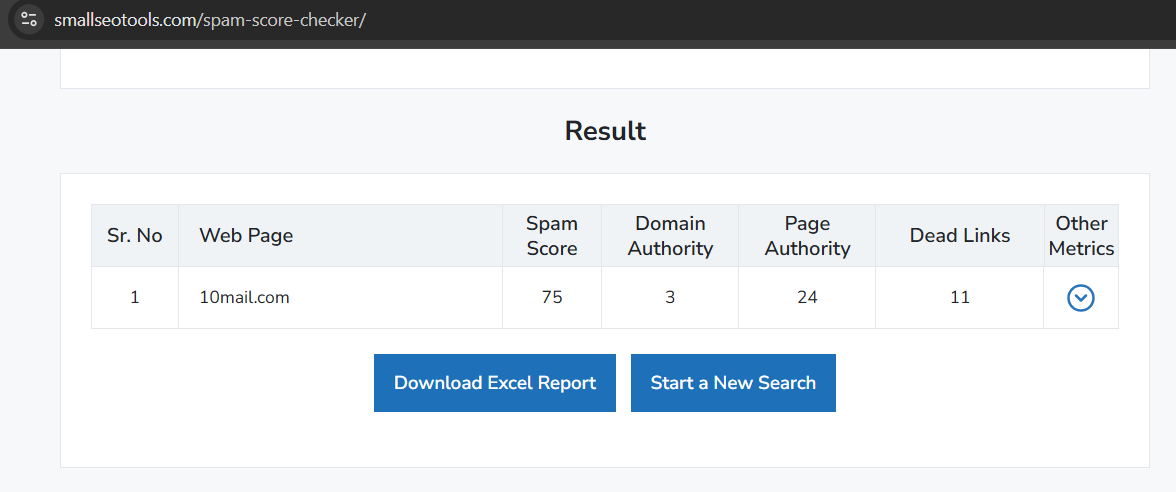
5. Spam score. We analyzed each of the target websites with industry-standard SEO tools to ensure they have low spam scores. The problem with unmoderated resources is that they quickly develop low spam scores and lead to toxic backlink profiles that are hard to change/improve.
Here is an opposite example of a high spam score website. Needless to say, that one had no chance of entering our database:
Source: Smallseotools
6. Active status. Last but not least, we’ve checked that each target on our list has an active link-placement capacity and that the domain itself is active and fully functional. On the web today, it happens rather often that an outdated and inactive website is still part of a rating list, or that the administrators have long restricted (or abandoned and closed) its link-placing functionality.
100+ Free backlinks sites by category
Below, you’ll find our complete list of free backlinks sites split into thematic categories:
- Web 2.0 & Free Publishing Hubs (Blogs, newsletters, and article networks).
- Corporate Directories & Business Citations (Local ecosystems, SaaS directories, and company registries).
- Professional Portfolios & Developer Profiles (Design, code, and creative work platforms).
- Document & Slide Sharing Directories (PDF, presentation, and infographic hosting sites).
- Audio, Video & Visual Content Hubs (Podcast networks, video channels, and media sharing spaces).
Each category is formatted as a table. In each table, you’ll find a website’s address, plus its current Domain Rating (DR) as measured by Ahrefs. It’s important to understand that these are approximate DR scores, as metrics shift slightly (within a few points), and the time when you might be checking a website’s rating will most likely differ by days and weeks from when we took our measurements.
The additional Platform Category and Estimated Monthly Traffic columns will tell you about each website’s specialization (what you can use it for) and about its potential for driving organic traffic.
Without further ado, let’s get to our list of 100 high-DR websites for backlinks in 2026.
1. Web 2.0 & free publishing hubs
These platforms open our backlinks websites list because they are undisputed leaders in budget-friendly link-building. The main advantage they offer is full access to the Content Management System (CMS), allowing you to design individual pages according to your SEO goals and contextualize your link placements to support those.
Because search engines favor websites that offer a good user experience, the Web 2.0 platforms and publishing hubs get crawled by search bots regularly. This means your powerful backlinks and content on these websites stand a much higher chance of ranking high in SERPs.
|
Platform |
Domain Rating (DR) |
Platform Category / Core Purpose |
Est. Monthly Traffic |
|
Blogger.com |
99 |
Free Blogging Platform |
15.2M+ |
|
LinkedIn Pulse |
99 |
Professional Article Feed |
1.4B+ |
|
Sites.google.com |
97 |
Collaborative Website Builder |
8.1M+ |
|
GitHub Pages |
96 |
Technical Documentation Hosting |
45M+ |
|
Medium.com |
94 |
Open Editorial Publisher |
120M+ |
|
LiveJournal.com |
93 |
Personal Journal Network |
3.5M+ |
|
Wix.com |
93 |
Visual Website Builder |
42M+ |
|
Webflow.com |
92 |
Responsive Design Platform |
18M+ |
|
Weebly.com |
92 |
Drag-and-Drop Site Builder |
9.8M+ |
|
WordPress.com |
92 |
Content Management System |
280M+ |
|
HubPages.com |
91 |
User-Generated Article Hub |
1.2M+ |
|
Substack.com |
91 |
Newsletter Publishing Network |
85M+ |
|
Strikingly.com |
86 |
One-Page Website Builder |
450K+ |
|
Tumblr.com |
86 |
Microblogging & Media Network |
110M+ |
|
Dev.to |
84 |
Software Developer Community |
12M+ |
|
Jimdo.com |
80 |
Small Business Site Builder |
2.1M+ |
|
Hashnode.com |
77 |
Tech Blogging Platform |
3.4M+ |
|
Telegra.ph |
76 |
Minimalist Text Publisher |
900K+ |
|
Webnode.com |
75 |
Cloud Website Creator |
1.8M+ |
|
Vocal.media |
72 |
Creative Storytelling Network |
2.4M+ |
2. Corporate directories & business citations
Corporate directories and business citations are essential for establishing your brand's trust. They may not give you as much space for linking as the free publishing hubs, but the ease and the speed of backlinks taking effect are unmatched.
Business citations and corporate directories are especially important for local businesses seeking visibility and authority-building via links. To get free backlinks, they only need to publish their contact information and localize it (translate it if necessary) for local markets.
The key visibility strategy is to appear consistently, i.e., your company Name, Address, and Phone Number (commonly referred to as NAP data) must show up exactly the same as on your corporate website. This approach helps both users and search bots form a strong image of your company and brand and reuse it in answers to real queries (in the case of generative engines like Google AI Overviews, Claude, or ChatGPT).
Platform | Domain Rating (DR) | Platform Category / Core Purpose | Est. Monthly Traffic |
google.com/business | 100 | Local Search Ecosystem | 5.5B+ |
mapsconnect.apple.com | 99 | Navigational Map Registry | 1.2B+ |
facebook.com | 96 | Corporate Social Directory | 3.1B+ |
linkedin.com | 96 | B2B Professional Registry | 1.4B+ |
bingplaces.com | 94 | Search Engine Maps Panel | 1.1B+ |
yelp.com | 93 | Consumer Local Directory | 140M+ |
mapquest.com | 91 | Geolocation Mapping Directory | 15M+ |
crunchbase.com | 90 | Corporate Investment Database | 12M+ |
yellowpages.com | 90 | Classic Business Index | 14M+ |
tripadvisor.com | 89 | Hospitality & Service Index | 160M+ |
trustpilot.com | 89 | Consumer Review Platform | 52M+ |
foursquare.com | 88 | Mobile Geolocation Index | 11M+ |
g2.com | 88 | Software & Agency Directory | 7.5M+ |
capterra.com | 87 | B2B Software Catalog | 4.2M+ |
clutch.co | 87 | Agency Portfolio Registry | 3.8M+ |
angi.com | 86 | Local Home Services Index | 8.5M+ |
dnb.com | 84 | Enterprise Corporate Database | 4.1M+ |
manta.com | 84 | Small Business Directory | 3.2M+ |
citysearch.com | 80 | Geographic Local Guide | 800K+ |
merchantcircle.com | 78 | Local Business Network | 650K+ |
3. Professional portfolios & developer profiles
Professional portfolio and developer profile websites offer one of the cleanest opportunities for link-building. They are the places where expert marketers, engineers, SEOs, coders, and people with solid experience come to document and showcase their expertise.
Thanks to their narrow specialization, such websites hold immense trust with search engine algorithms and are rarely targeted by low-tier automated spam. Simply because the entry barrier to such websites is too high for a low-skill, unmotivated spammer or an automated system designed to churn out links in bulk.
Your best link-building approach is to populate your profile or project portfolio fully, upload media files if available, and list case studies and concrete examples of your completed work. People and search crawlers like real examples and lessons learned, so they’ll surely scan through and index your portfolio with relevant backlinks.
Platform | Domain Rating (DR) | Platform Category / Core Purpose | Est. Monthly Traffic |
learn.microsoft.com | 99 | Technical Learning Profiles | 48M+ |
github.com | 98 | Software Development Network | 420M+ |
hub.docker.com | 94 | Container Software Registry | 22M+ |
behance.net | 93 | Creative Design Showcase | 45M+ |
linktr.ee | 93 | Social Link Aggregator | 210M+ |
dribbble.com | 92 | Digital Designer Portfolio | 16M+ |
about.me | 90 | Personal Biography Registry | 1.8M+ |
sourceforge.net | 90 | Open-Source Project Directory | 20M+ |
slideshare.net | 89 | Presentation Slide Hosting | 55M+ |
deviantart.com | 88 | Creative Artist Community | 95M+ |
kaggle.com | 88 | Data Science Portfolio Network | 11M+ |
producthunt.com | 88 | Product Launch Directory | 4.5M+ |
gravatar.com | 87 | Global Avatar Profile Sync | 12M+ |
contently.com | 85 | Journalist Portfolio Hub | 850K+ |
muckrack.com | 82 | Public Relations & Media Hub | 950K+ |
kickstarter.com | 92 | Project Creator Profiles | 22M+ |
patreon.com | 91 | Creator Membership Network | 90M+ |
wellfound.com | 87 | Tech Startup & Talent Network | 5.5M+ |
instructables.com | 87 | DIY Project Portfolio Hub | 14M+ |
creatticca.com | 73 | Design Portfolio Gallery | 120K+ |
4. Document & slide sharing directories
Until recently, documents and slides were a hard target for search crawlers. Not anymore.
Today, search engines powered by AI are incredibly good at scanning through and extracting value from documents and slides. This makes document and slide sharing directories a perfect, legitimate target for your budget-friendly, high-impact link-building strategy.
You can upload any type and format of documents to these websites, including visual assets like PDFs, eBooks, case studies, and presentation decks. Focus on providing real value to real users, and never attempt to upload empty or incomplete pages with outdated content.
Platform | Domain Rating (DR) | Platform Category / Core Purpose | Est. Monthly Traffic |
academia.edu | 91 | Academic Research Repository | 27M+ |
scribd.com | 91 | Digital Document Library | 86M+ |
issuu.com | 90 | Digital Magazine Publisher | 32M+ |
researchgate.net | 90 | Scientific Publication Hub | 105M+ |
slideserve.com | 81 | Presentation Sharing Portal | 4.8M+ |
calameo.com | 79 | Interactive Document Host | 12M+ |
edocr.com | 77 | B2B Document Exchange | 250K+ |
pubhtml5.com | 77 | Digital Flipbook Publisher | 3.1M+ |
yumpu.com | 77 | Digital Magazine Shelf | 8.2M+ |
fliphtml5.com | 76 | Interactive Media Host | 7.4M+ |
authorstream.com | 72 | PowerPoint Sharing Platform | 400K+ |
pdfhost.io | 70 | Minimalist PDF Cloud Storage | 650K+ |
docdroid.net | 66 | Instant Document Sharer | 5.2M+ |
freefilesync.org | 79 | Open-Source Asset Share | 1.1M+ |
mediafire.com | 89 | Cloud Document Storage | 160M+ |
4shared.com | 84 | File & Document Archive | 11M+ |
scribdfree.com | 72 | Document Downloader Index | 1.5M+ |
docplayer.net | 71 | Document Presentation Hub | 2.1M+ |
pdfslip.com | 65 | Public PDF Sharing Board | 90K+ |
keepandshare.com | 70 | Document Sharing Network | 450K+ |
5. Audio, video & visual content hubs
Multimedia hubs attract large audiences, making them a promising target for planting and harvesting backlinks. A big part of their link-building potential is based on how search algorithms heavily favor backlink profiles made up of varied assets, including texts and graphical content in equal proportion.
For the maximum efficacy of your backlink strategy on audio and video platforms, make sure you carefully fill in your creator profiles. Things to prioritize include the author’s bio, banners, brand names, and links to your website and your profiles on other platforms. Search engines need to see that the page belongs to a legitimate and highly active entity.
Platform | Domain Rating (DR) | Platform Category / Core Purpose | Est. Monthly Traffic |
youtube.com | 100 | Global Video Network | 33B+ |
pinterest.com | 97 | Visual Discovery Engine | 630M+ |
vimeo.com | 96 | Premium Video Platform | 4M+ |
soundcloud.com | 94 | Audio & Music Distribution | 15M+ |
dailymotion.com | 93 | Video Streaming Hub | 55M+ |
twitch.tv | 93 | Live Media Network | 820M+ |
flickr.com | 92 | Photography Archiving Site | 48M+ |
bandcamp.com | 91 | Independent Audio Network | 28M+ |
spotify.com | 91 | Global Audio Streaming Engine | 580M+ |
creators.spotify.com | 90 | Podcast Hosting Network | 18M+ |
mixcloud.com | 87 | Audio Streaming Service | 3.5M+ |
giphy.com | 86 | Animated Graphic Network | 22M+ |
imgur.com | 86 | Image Hosting Platform | 110M+ |
buzzsprout.com | 84 | Podcast Syndication Hub | 4.2M+ |
podbean.com | 83 | Enterprise Podcast Host | 6.8M+ |
bitchute.com | 83 | Decentralized Video Platform | 12M+ |
spreaker.com | 83 | Podcast Distribution Engine | 1.9M+ |
artstation.com | 82 | Digital Artist Portfolio Hub | 24M+ |
audiomack.com | 81 | Music & Audio Streaming | 11M+ |
rumble.com | 80 | Video Content Network | 95M+ |
How to build free SEO backlinks step-by-step
Let’s now take one of our websites with high DR and show you step-by-step how to build free SEO backlinks. In particular, we’ll place a clean Dofollow backlink within GitHub.com—a platform from our Professional Portfolio & Developer Profiles section that has a 98 DR score.
Step 1. Create an account
Go to GitHub.com and press the Sign Up button at the top right corner of the home screen. From there, you'll see a new screen with several blank fields where you’ll need to fill in your Email, create a Password, enter your User Name, and select your home Country.
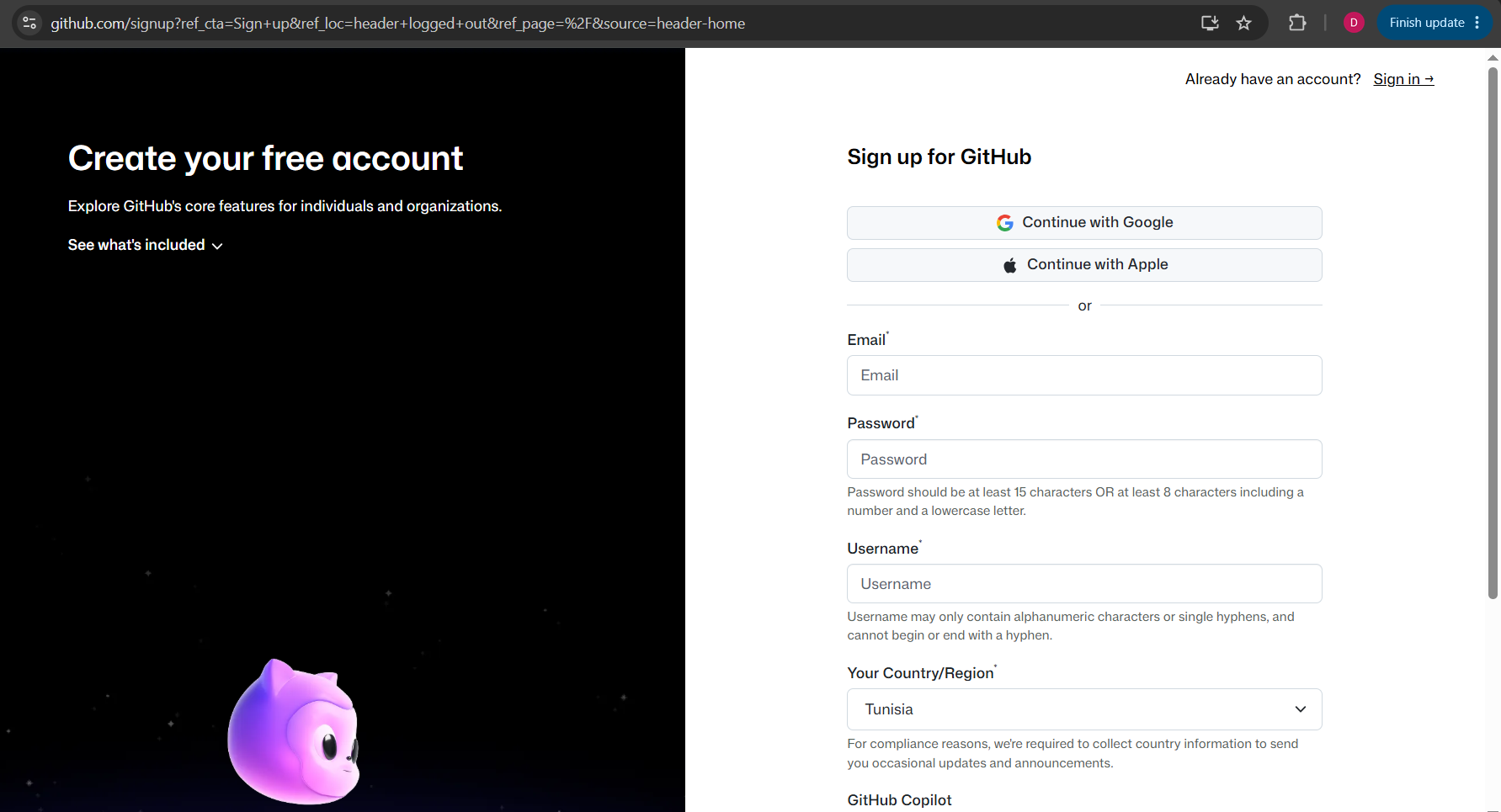
Tip: Pick a username that matches your brand or website name, as this becomes part of your public link structure.
Upon filling in all required fields and pressing Register, you’ll receive an email with a verification code. Enter that code in the new window titled “Confirm your email address”.
Step 2: Create a public repository (your public folder)
Once you’re logged in to the GitHub ecosystem, you can start building high-value repository content to generate free backlinks for your website. Look for the green button called “Create repository”.
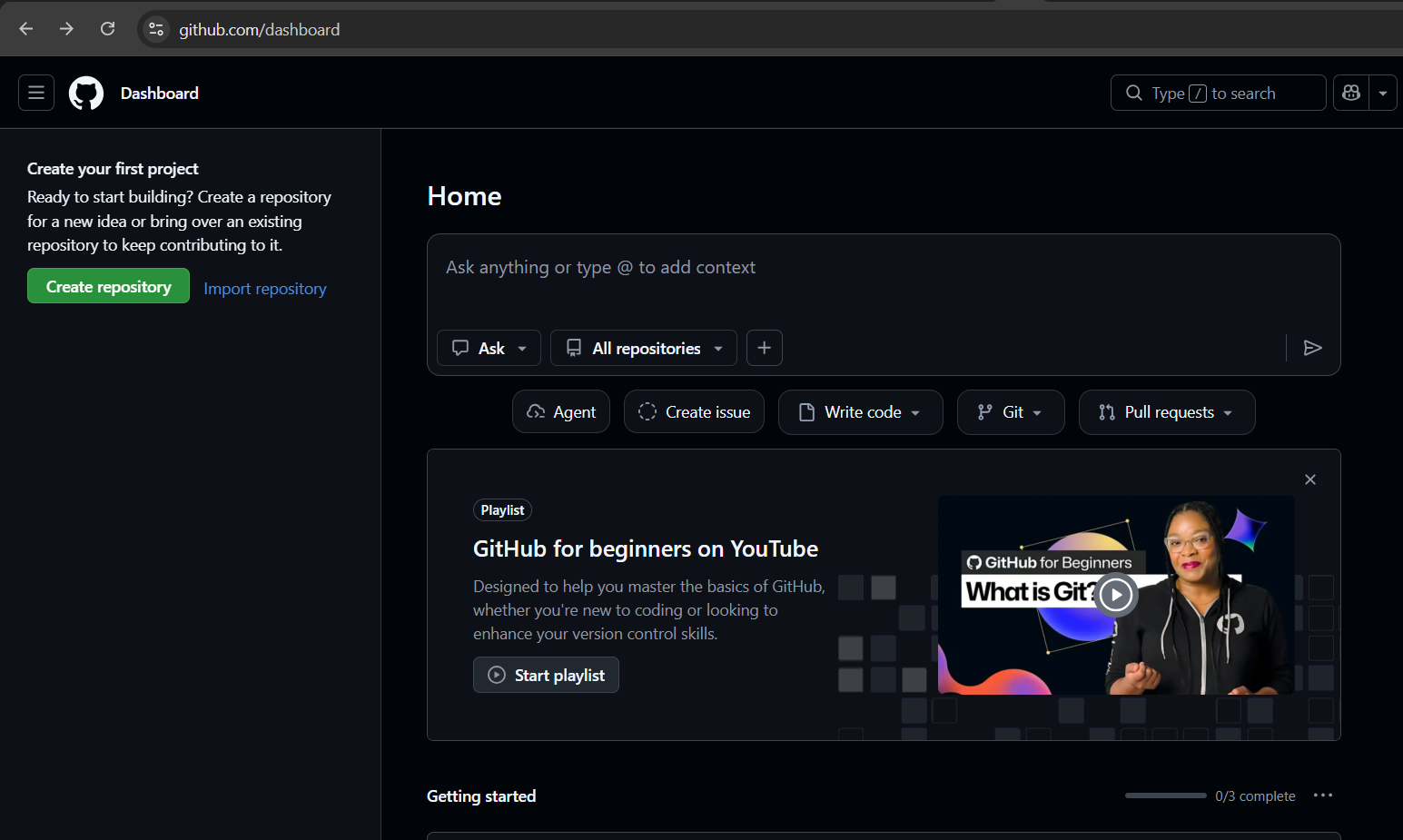
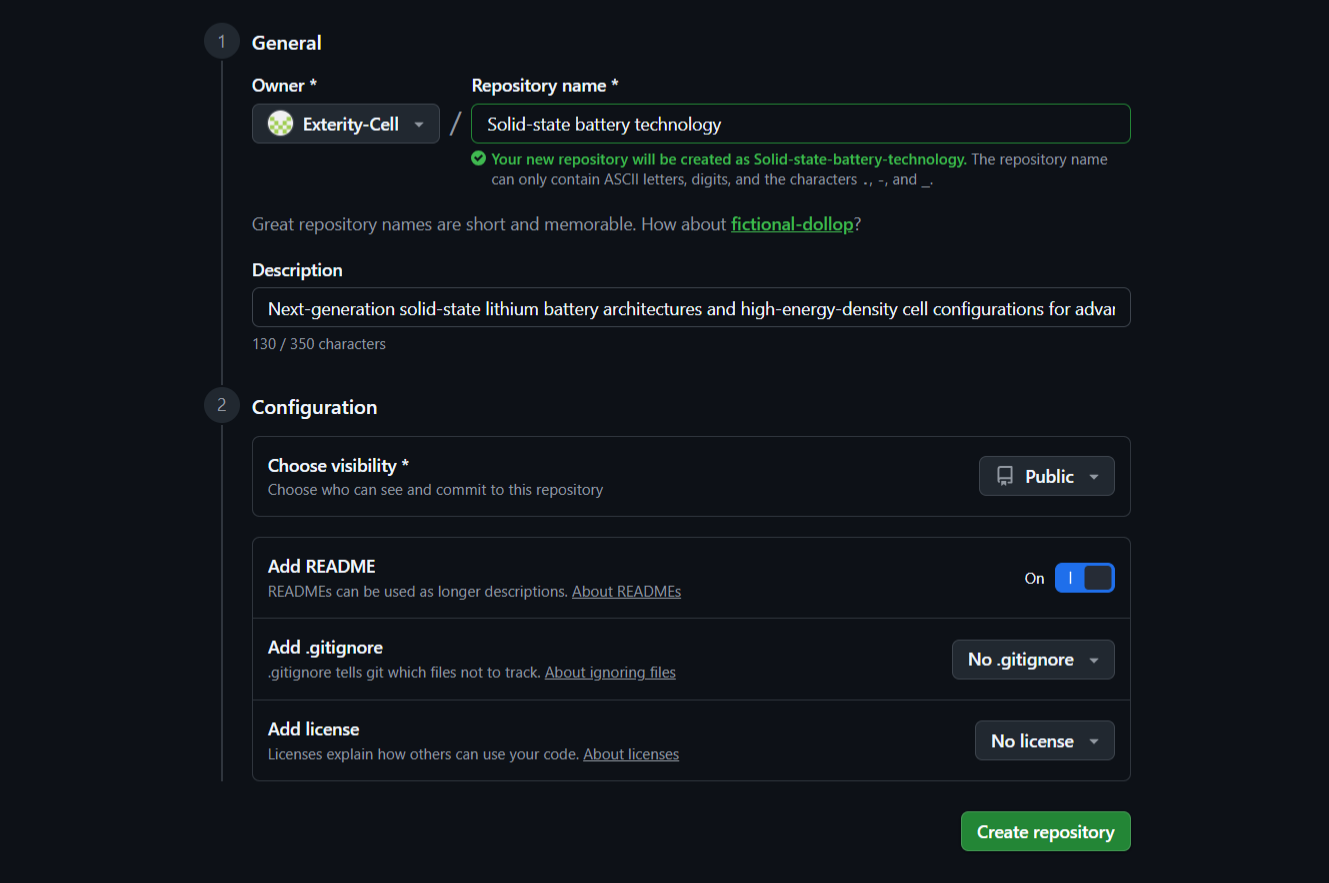
A new screen will open where you’ll need to fill in several fields:
- Repository name: Type a simple, lowercase word related to your niche (e.g., SEO-guide or marketing-resources). In our example, we’ve registered our start-up brand (Exterity-Cell) targeting the narrow solid-state battery technology niche.
- Public/Private: Make sure Public is selected. If it is private, neither search engines nor human users can see it.
- Initialize this repository with: Check the box that says "Add a README file". This is critical—it automatically creates the text file where your link will live.
- Fill in other optional fields if you find it necessary (Add .gitignore and Add license).
- Click the green "Create repository" button at the bottom.
Here is how this page looked during our registration process (pls note, we didn’t opt for the gitignore or license):
Step 3: Edit the text file and add your link
You are now looking at your project page. Because on the previous screen, you’ve selected to add a README file, you’ll now see it already open on your screen:
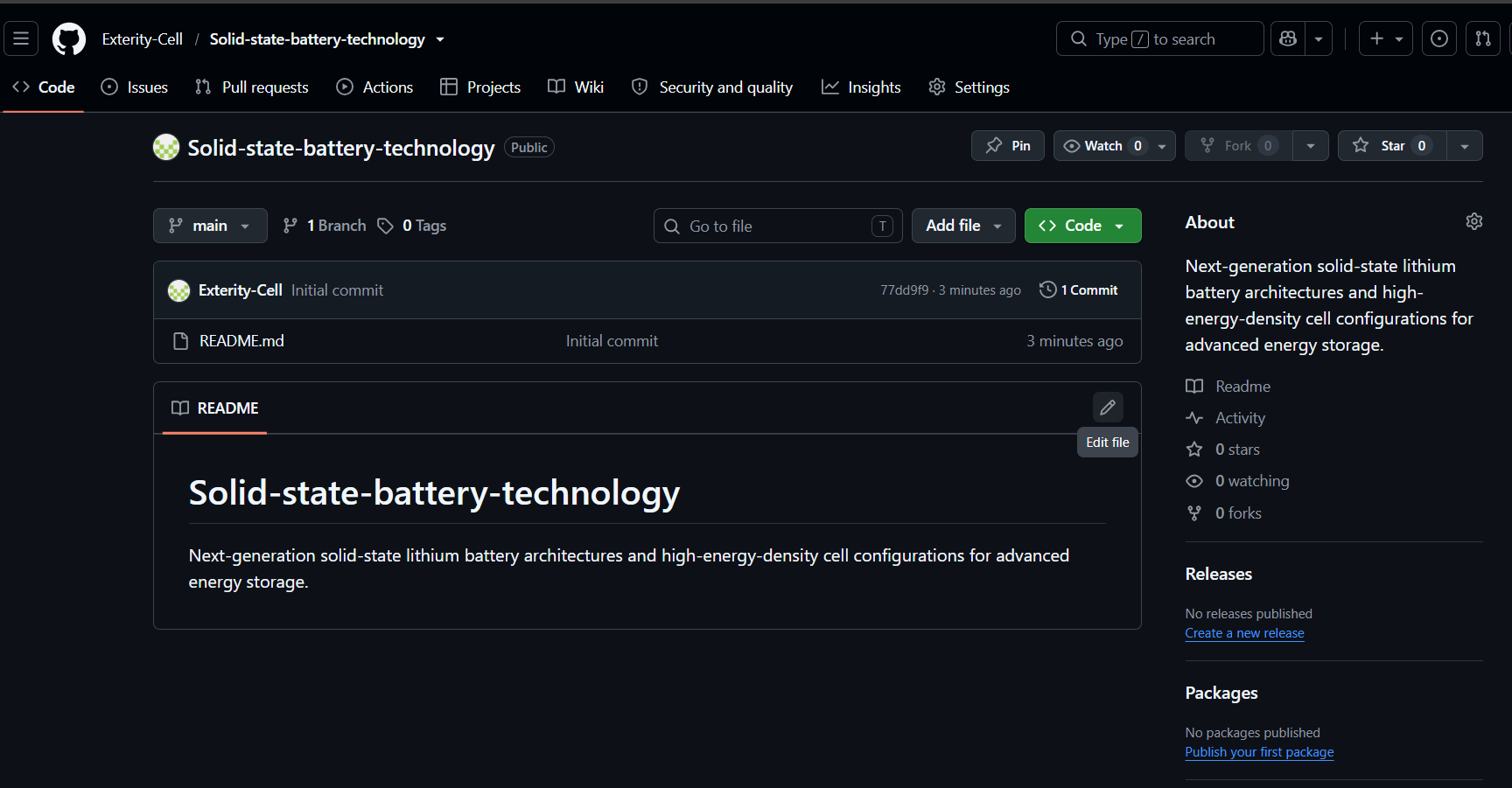
You’ll now need to edit the text file and add your link. Follow these guidelines:
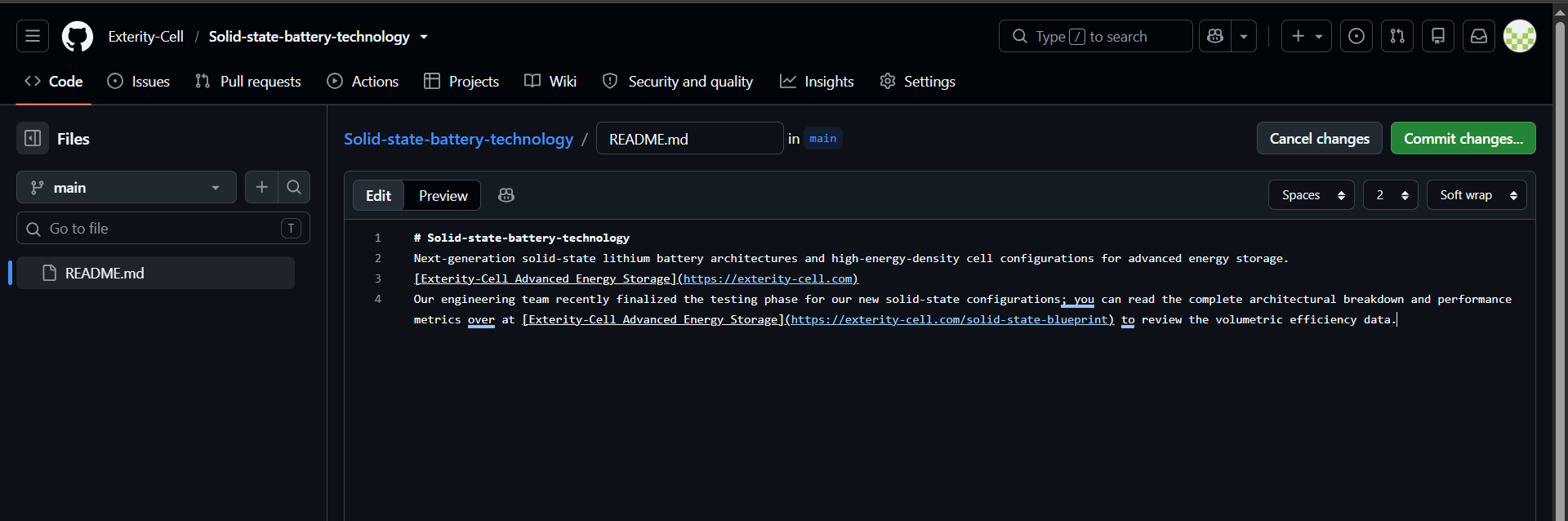
- Look at the right side of the README file area and click the Pencil Icon (Edit this file).
- Now you can type directly into the file just like in Microsoft Word or Google Docs. You can add your posts, long articles, research pieces, and technical documentation with all your powerful backlinks at this very stage.
- To add a link in GitHub's format (called Markdown), you write it like this: (https://yourwebsite.com). On the screen below, we’ve added the details that match our technology brand.
- Example text to type: A short text was added in the relevant field that describes what our team has accomplished. The Exterity-Cell Advanced Energy Storage serves as the anchor.
Step 4: Save (commit) your changes
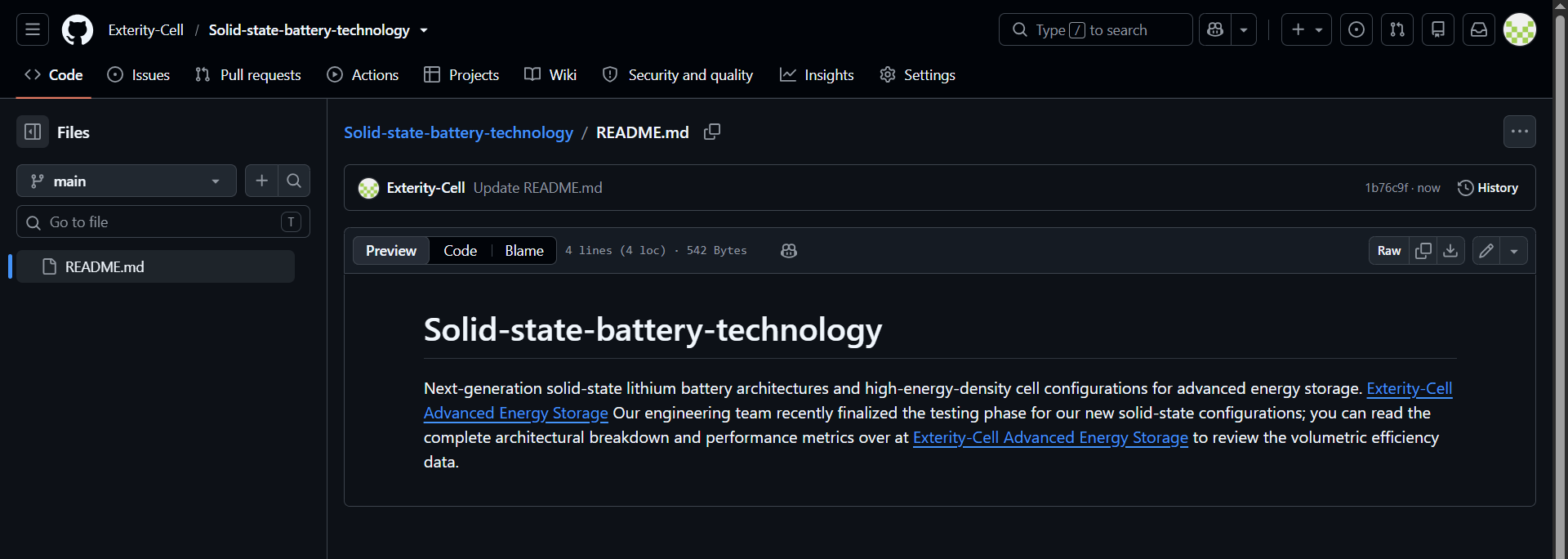
Scroll down to the bottom of the page or look at the top right corner for a green button that says "Commit changes...".
- A small window will pop up asking for a note. You can just leave it blank or leave the default text.
- Click the final green "Commit changes" button.
Your link is now live, public, and indexable by Google on a DR 98 domain. You can copy the URL straight out of your browser's address bar and use it.
The Bottom Line: Particular registration and content creation, as well as link-building processes, will vary from platform to platform. In some instances, like LinkedIn or YouTube, you may already have a registration, and the whole process of content upload becomes radically simpler.
The key strategy in effective link-building is to use several (varied) channels at once. This will enable you to create a natural link profile and to reach a much wider audience.
Prefer to spend less time finding websites and contacting publishers? Browse Adsy’s inventory below to compare sites, review their metrics, and choose placements that suit your niche and budget.
Error: Categories not found
Common mistakes when building backlinks for free
Building a free backlinks profile may seem easy at this stage. Some of you will become so good at repeating the above-mentioned steps that some sort of automation will be your next logical step. And that’s exactly where mistakes start to accumulate, triggering search engine penalties.
Avoiding common link-building traps is the only way to safeguard your search performance, and it’s a good idea to start with these high-risk ones:
- Spam automation. Using software that makes social media commentary, or post and article publishing for free backlinks, an automated process. Search engines have no difficulty recognizing repetitive footprints of black-hat link-generation tools, classifying your domain as spam—the kind of reputational damage that's almost impossible to repair.
- Thousands of profile links. The practice of mass-creating social and public profiles with the sole purpose of injecting them with dozens of links. Half-empty, inactive profiles signal to Google a deliberate search manipulation and a weak SEO backlinks list. Google stops indexing them, driving domain authority down, but spam index up.
- Irrelevant anchors. These include anchors that don’t match the content behind links. This usually happens when chasing too many free backlink sites; you force commercial keywords and off-topic phrases into your anchor texts. The result is that your link quickly loses its contextual value, damaging your key SEO metrics.
- Low-quality sites. Targeting sites that have low DR or DA ratings and high spam scores. These are usually backlinks websites that are not moderated for spam, or abandoned sites where everyone can litter with whatever content they like. If your site has historically accumulated links from these environments, you may need to disavow toxic backlinks to clean up your profile. To mitigate future risk, stick to our curated list of 100+ high-DR websites.
- PBN footprints. PBN stands for Private Blog Networks. Nothing wrong with the term itself, but the mistake is to collaborate with low-cost networks that expose identical hosting IPs, themes, or registration dates. Algorithms easily map these shared footprints, resulting in swift, permanent de-indexing of your entire network.
Free vs paid backlinks
Free backlinks have their benefits, but they can move your SEO efforts only so far. A healthy and successful backlink strategy balances acquisition costs with careful and sustainable risk management. While free backlinks can help you save money, paid links allow you to take care of the second part—sustainable risk management.
Here, we’ll review the pros and cons of each type to help you prioritize your SEO planning. Choosing the wrong type at the wrong scale can stall your growth or trigger search engine algorithmic filters.
Free backlinks
Free backlinks span web portfolios, public social media, and multimedia channels, organic digital assets, as well as manual citations. You can either build free backlinks manually as discussed in previous chapters, or deploy a dedicated blogger outreach strategy to earn high-tier contextual placements through editorial collaboration.
Pros:
- Zero financial outlay: Earning free backlinks doesn’t demand any significant financial investments, making them ideal for startups and budget-constrained entities.
- Low penalty risk: Because they are placed on large platforms with billions of users (like GitHub or YouTube), the risk of algorithmic penalties is significantly lower than on highly specialized and high-authority platforms for paid links.
- Natural link baseline: They fit well with Google’s understanding of a natural link profile of a young company/entity. They allow you to build your backlink profile slowly (perhaps starting with a LinkedIn or Facebook profile) and only later move to big commercial campaigns. Search engines don’t get suspicious about such slow growth of a backlink mass.
Cons:
- Heavy time investment: Manual link placement, account creation, and writing quality copy require time.
- Lower ranking power: Many free backlink sites can only offer your Nofollow link types.
- No placement control: Free backlink platform moderators can often voluntarily change your link placement. Therefore, you have minimal control over where your link lives on that platform from day one.
Paid backlinks
Paid backlinks usually take the form of niche directory listings, sponsored guest posts, and editorial edits. They are typically secured through marketplace placements and direct outreach. And contrary to popular belief, if used carelessly, they can damage your brand’s ranking performance.
Pros:
- Immediate scaling: With paid backlinks, you can bypass slow link mass growth and scale rapidly on top platforms, successfully competing for high-intent keywords.
- Strict control: You have more control over your link placement than with a backlink for free—you can select anchor text, exact link placement, and how long it stays where you put it (often against the general editorial policies, which prohibit link placement in introductions and conclusions).
- Maximum authority transference: Paid placement allows you to instantly get a Dofollow type of link, which passes strong ranking authority to your home pages.
Cons:
- High cash burn: Editorial placement on niche directories and high-authority publications often costs more, with price tags ranging from $150 to over $1000 per single link or more.
- Violation of search guidelines: Sometimes, paid plans can explicitly violate Google’s spam policies. Growing your link mass too quickly or too early in your company’s lifecycle is a known spam trigger.
- Risk of sudden drops: Because search engines can discover, devalue, and penalize a paid platform overnight, so can your domain’s authority and reputation suddenly drop without warning.
FAQ
What are the best free backlink sites?
To get some of the best free backlinks for SEO, target websites with the highest Domain Rating (a common metric used by Ahrefs) or the highest Domain Authority (used by Moz). Also, the quality of your link-building will be better when you target websites with the highest monthly traffic—a direct indication of how many new visitors may come to your pages via your free website backlinks.
Are free backlinks safe?
Yes, high-quality free backlinks are safe, provided you build them on websites with high authority and a low spam score. Regardless of whether you paid for it or it is free, the safety of a backlink depends entirely on where it lives and how it is used.
How many backlinks should I build?
There is no fixed or magic number of free backlinks for your website. In fact, trying to chase a fixed number (usually large) often results in search penalties. Instead, the correct approach is to first acquire 20-30 foundational backlinks from the high-authority websites mentioned in our list. From there, you should perform a thorough competitor backlink analysis to map out your rivals' profiles, allowing you to gradually scale your link mass to safely match your niche's natural link velocity.
Are profile backlinks useful?
Yes, they are highly useful, but not for passing link value (“link juice”), since most profile links are auto-tagged as Nofollow. Their value comes from two reasons. Firstly, they help generative engines (ChatGPT, Claude, etc.) verify your entity information and build initial trust in your name and brand. And secondly, they are absolutely essential in making your link profile look natural, diversifying it, since most of your links come from paid blogs with aggressive anchor texts.
Can free backlinks improve rankings?
Free backlinks are essential for improving search rankings, especially for brand-new websites. Since search crawlers don’t visit small and new websites as often as big platforms like GitHub or Medium, your links on these free backlink platforms get indexed more often. This leads to direct improvement of your brand ranking and significantly accelerates how fast your new content gets discovered and indexed by search engines.
Dofollow or nofollow — which is better?
Both types are important. In terms of raw ranking power, the dofollow backlinks perform better, but your SEO absolutely needs both link types to survive and be useful. While the primary value of doffollow links lies in their ability to pass PageRank (the algorithmic "juice" that directly elevates your search rankings), the role of nofollow links is no less important. They help diversify your link profile and drive referral traffic to your website/pages.
Conclusion
In 2026, the era of bulk spam backlinks is dead. You cannot win traditional search rankings, and especially AI-powered search, with brute force. The fundamental shift that happened in the last few years is the shift from quantity to entity trust.
Today, a successful free backlinks strategy must rely on a thin paper trail in top-tier publications to help generative answer engines (Claude, ChatGPT, Gemini, etc.) verify your brand entity and build trust.
Another key aspect is how natural your backlink profile appears and grows in the eyes of search engines. Start too fast and with an aggressive commercial focus, and you’ll almost certainly trigger spam filters in Google and other engines. The winning recipe is to start with 20-30 foundational backlinks strategically positioned on high-authority (as measured in DR or DA) websites and gradually grow your link profile from there.
Some of the best free backlinks for SEO are those embedded inside deep, valuable content—such as expert-written blog posts, thorough review articles, honest user-generated content, and thought-leadership research pieces. Turn to GitHub, Medium, and Markdown for this type of content.
You should prioritize a curated high authority backlinks list, e.g., the one available in our guide. Don’t waste your time on unmoderated, suspicious targets that can significantly hamper your SEO performance and damage your brand (domain) reputation.
After all, SEO is becoming an algorithm-driven chess match. A single, contextually relevant backlink with a branded anchor text placed inside a high-authority publication is worth more than a hundred spammy links scattered across half-empty profiles on inactive pages.
All trademarks, logos, images, and materials are the property of their respective rights holders.
They are used solely for informational, analytical, and review purposes in accordance with applicable copyright law.

 Sign Up
 Sign Up