






How to Build a High-Performing Blogger Outreach Strategy

When you sell or promote a product or service, you want maximum exposure so that your target audience notices your offer. You can do this alone from scratch, launching ad and PR campaigns and utilizing your own communication channels. That is a hard, time-consuming, and often expensive way.
However, there is a better solution — blogger outreach. You reach out to trusted bloggers in your niche and collaborate with them to promote your product, service, or idea. It’s a fast lane to your target audience and, when approached strategically, can yield fantastic, long-term results.
Today, we dissect what a high-performing blogger outreach strategy is made of, helping you build one from scratch. In this guide, you’ll find many practical tips and learn which outreach tactics work best and which don’t work at all.
Seeing blogger outreach through a strategic lens
Most outreach fails because people treat it like a quick transaction instead of a slow-burning relationship. You toss an email into the void, hope for the best, and then blame the universe when nothing happens. A strategy forces you to pause and think before acting.
That's why the secret to successful market promotion is to establish a strategic blogger outreach process, not a one-time, albeit successful pitch. This is not the easiest path, but it's the only right one in terms of economy and output.
What blogger outreach really means
Blogger outreach is not, despite rumors, a simple repetitive work where you say your brand name out loud and a blogger suddenly writes about you. It’s also not bribery (though some people do try the “I’ll send you this USB fan if you mention us” angle).
At its core, it’s just you trying to convince someone on the internet that your thing is cool enough for their readers. And in parallel, you offer something in return for the bloggers: remuneration, a free product, an extended target audience reach, or simply a cool idea that will help them grow their personal brand.
Think of bloggers as people with digital kingdoms. Some kingdoms are tiny but surprisingly loyal. Others are huge, chaotic empires where the comment section is as hot as a gladiator pit. Either way, you’re knocking on their castle door with a friendly “Hi, I brought something nice.”
Here’s what an effective outreach really comes down to:
- Showing you understand their readers.
- Adding a touch of personality to your pitch so they know you’re a real person.
- Respecting the blogger’s creative space and not trying to control it.
- Offering something useful instead of demanding attention.
- Trying to create value both ways, not just for your brand.
- Understanding that good outreach takes time to mature.
Outreach works best when you’re not weird about it. Bloggers can sense weirdness like dogs sense fear. If your message screams “desperate marketer trying their luck,” you’re done. But if it sounds like a human being requesting a genuine collaboration? That’s where a genuine blogger collaboration begins.
Why blog outreach matters for SEO and branding
Search engines are like spoiled humans. They want reassurance, confirmation, second opinions — basically, they want to know everybody else thinks your site is legit before they show you to the world.
Blogger outreach gives them those trust and reassurance signals without you having to beg.
Source: Bloggerspassion
Each link becomes a tiny reputation boost, a distinct vote of confidence. Google reads those links like recommendations from friends: “Oh, you trust this brand? Cool, maybe I should too.” And suddenly, your pages start climbing into the top positions in SERPs where actual humans can find them.
What about branding?
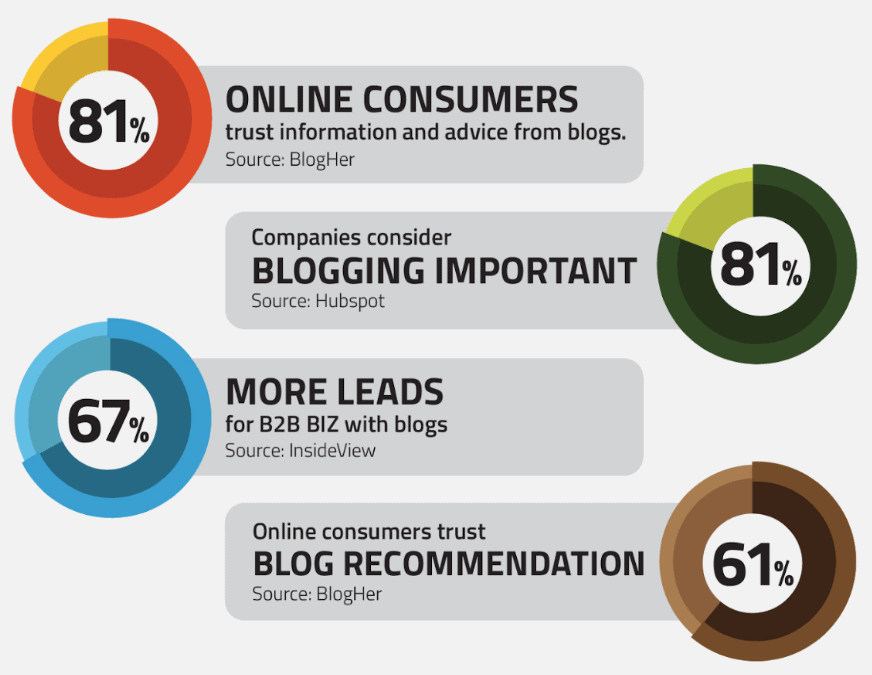
Branding also benefits from white-hat outreach. People trust bloggers far more than polished ads because bloggers talk like humans, not like AI algorithms. So when they mention your product, the message lands exactly where it should — in the long-term emotional memory.
A few reasons blog outreach is such a big deal for SEO + branding:
- It gives Google a reason to rank you higher.
- It introduces your brand through a voice people already enjoy.
- It creates lasting visibility instead of one-time spikes.
- It builds trust faster than your homepage ever will.
🧲 The bottom line: This is why blog outreach matters — it makes search engines happy and makes people curious, which is the perfect combination.
Identifying and selecting the right bloggers
A childish mistake that novice marketers make is wasting time on unworthy bloggers. Those aren’t necessarily bad writers and communicators, after all, but their audience and reach may not be at the right level for your particular brand.
Therefore, your blogger relations strategy must always start with a careful definition of your target audience and the topic for communication. This will be the first stage to help you pick and shortlist the right bloggers, which you should then evaluate by authority and relevance before landing on your ideal partners.
Defining your target audience and topic focus
An upfront warning: if you skip this part, you might end up doing your blogger outreach just like many online shoppers buy things — clicking on every item they like and only evaluating their decision once the items have been shipped.
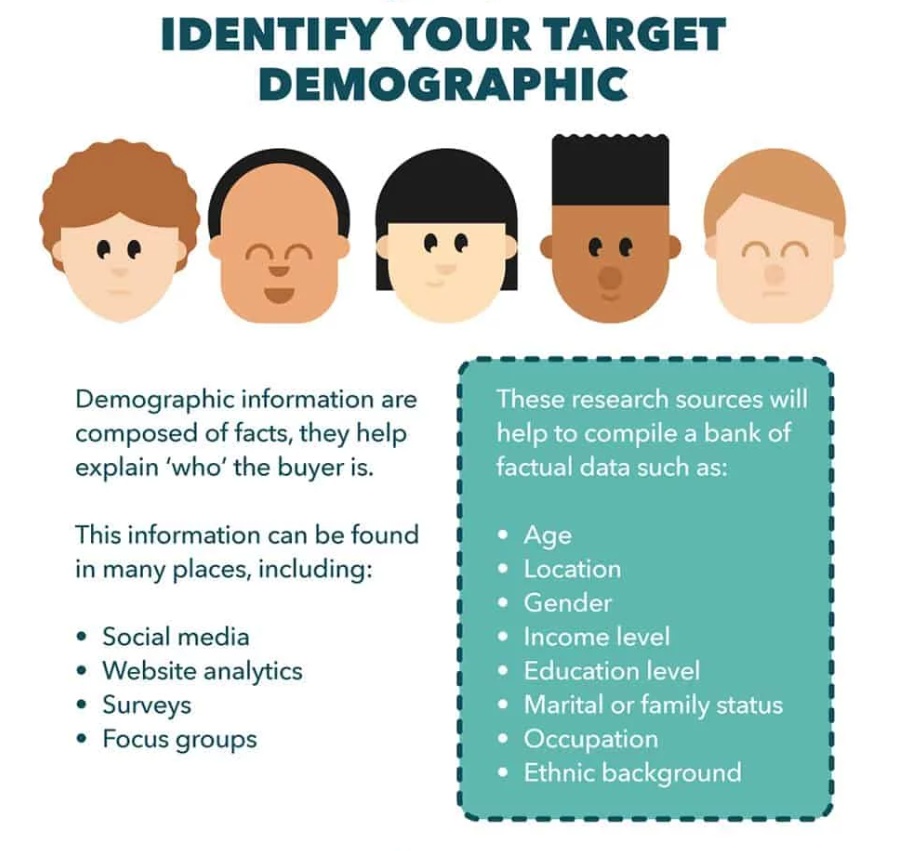
So, take your audience definition seriously. Ideally, it should feel almost uncomfortably specific.
Picture their interests, their level of expertise, the problems that keep them pacing around the kitchen at 11 p.m. The narrower your understanding is, the easier it becomes to spot bloggers who speak the same language — and avoid the ones who talk about everything except your niche.
Source: Redwebsitedesign
Once you know who you’re trying to reach, the next step is shaping your topic focus. This is the “what you want to talk about” part, which anchors every pitch you send, including your first guest post request.
If your topics drift too widely, bloggers won’t know where to place you, or worse, they’ll squeeze you into a category that doesn’t serve your brand at all.
Here’s what to keep in mind when defining audience and topic:
- Choose an audience you can actually serve, not the biggest one available.
- Pick topics where you know you (your brand) are an expert.
- Avoid topics that are too controversial & have a bad reputation.
- Match your content ideas to bloggers who are considered thought leaders in relevant niches.
🎯 Pro tip: Your marketing and PR teams must have a very clear picture of the ideal target audience for your business. So, involve them early in your outreach planning, so that you don’t end up inventing a completely new audience/customer profile.
Evaluating blogger relevance, authority, and engagement
Relevance comes first. If a blogger covers your niche naturally, that’s great. If they don’t, never attempt to mentally twist their content into something that “kind of fits.” Believe the experience of hundreds of others who tried doing the same before you. The audience will notice the shift and perceive it as a pushy ad.
So, just move on until you find a perfect relevance fit to your product/service/idea.
Next, evaluate the authority, which isn’t only about SEO numbers. It’s tone too. Some bloggers have this solid, steady voice that makes you go, “Okay, this person knows stuff.” Others sound like they read one article about your niche and decided they were experts. You can tell the difference in five seconds. Just apply yourself and evaluate that aspect carefully.
Engagement is the part people pretend not to notice. However, that’s not about you.
Look at the bloggers’ posts: do readers respond? Ask things? Argue? Anything? If the only comments are bots offering cryptocurrency giveaways, quickly exit the page.
Building a qualified list with software and manual research
Once you figure out who you want to reach and which bloggers are worth your time, you still need an actual list. Not a random spreadsheet full of names you’ll never contact, but a clean, useful list you can actually work with. This is where tools save your time and money — and manual checking saves your credibility.
Software helps you gather the “big picture” quickly, but manual research helps you avoid embarrassing yourself by pitching bloggers who stopped posting in 2019. Use both, and your outreach will actually feel holistic and produce high-quality results.
Here are a few tools that genuinely help without making you feel like you need a PhD to use them:
- BuzzSumo — helps you find bloggers who write about your topics right now, not five years ago.
- Skrapp.io — Skrapp’s email finder lets you discover valid email addresses at scale or individually by name.
- Hunter.io — tracks down email addresses so you’re not guessing “info@whatever.”
- NinjaOutreach — a huge database of bloggers you can filter by niche, metrics, personality… okay, not personality, but close.
- Google Sheets — boring, yes, but still the most affordable (free) way to keep your list organized.
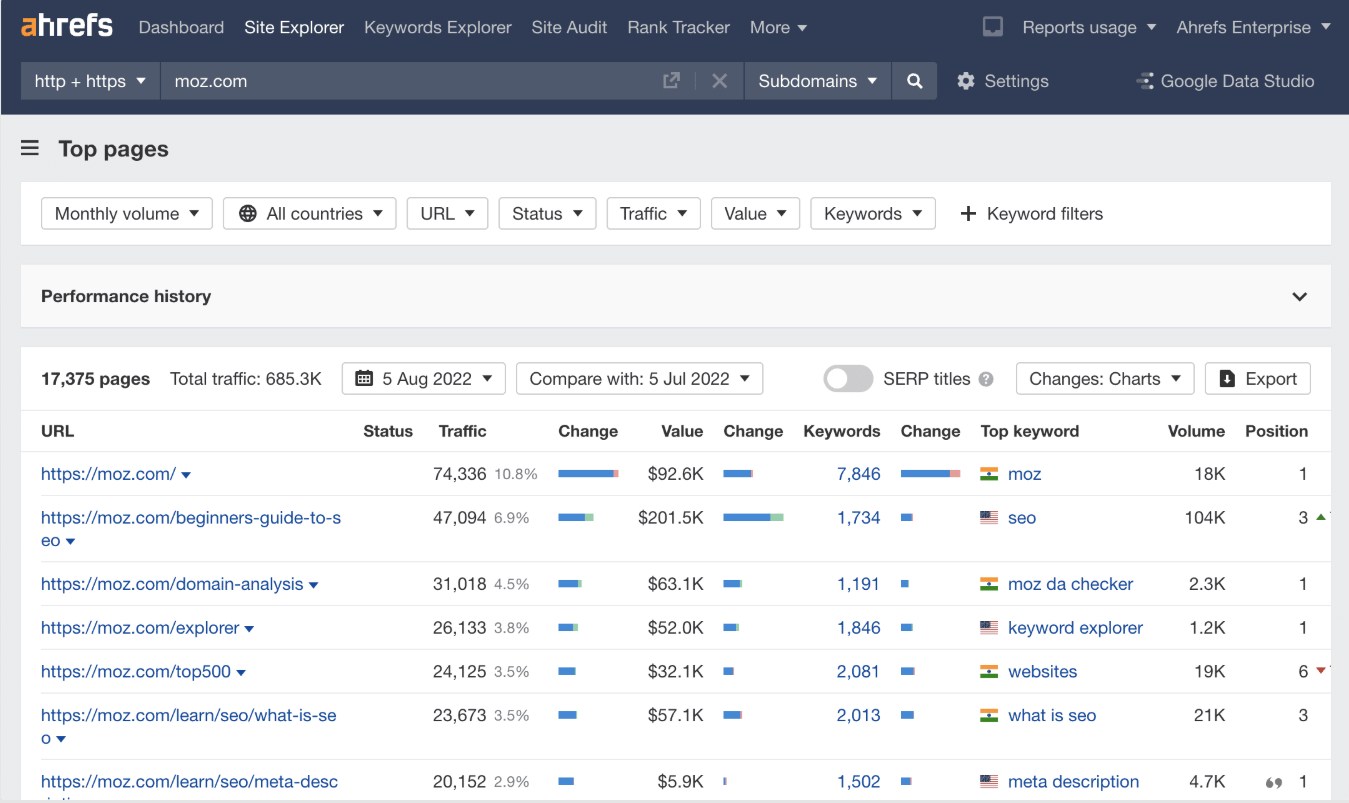
- Ahrefs — great for spotting blogs with real traffic, not imaginary numbers.
Source: Ahrefs
Couple the speed and precision of machine algorithms with human wisdom, and you’ll have a perfect process. Software does the tedious work, while humans use their enormously powerful parallel brain neuron architecture to make the final call on who deserves a place on your list.
🧲 The bottom line: With a mix of tools and actual human judgment, your blogger list becomes an asset instead of a headache.
How to do outreach messaging that gets replies
So, you’ve cherry-picked the best bloggers for your needs, now what? Reaching out to them with an email is no ordinary thing. It is as important and demanding as the previous step.
Personalizing your email for maximum impact
Preparing outreach emails isn’t the same as generating another message in your inbox queue. If anything, it’s the part where your guest posting campaigns either come alive or fall flat.
Bloggers can smell generic pitches crafted with the help of ChatGPT faster than you can hit “send,” so personalization and a genuine human touch are your only real advantages.
Start by proving you’ve actually read their content. Not skimmed. Not familiarized yourself with. Actually read. Bloggers don’t expect a love letter (well, not all), but they appreciate proof you’re not emailing them by accident.
These things will help your personalization feel real, not robotic:
- Mention a specific post — it shows you’re tuned in.
- Reference their tone or writing style in a positive light — it’s surprisingly effective.
- Explain why their audience is the right fit (not just that it is, as 99% of other marketers do).
- Offer a clear value exchange — think in terms of what’s in it for them.
🎯 Pro tip: You can rely on ChatGPT to help make you an initial draft, but the final word must be yours. Similarly, large language models (LLMs) can help with beautifying some sentences when you feel you’re totally stuck and lack ideas.
However, using LLMs extensively will inevitably make your pitch sound too artificial, especially for a keen ear of an experienced blogger.
Writing clear, value-driven pitches
Most pitches fail because they try too hard or explain too little. Bloggers don’t want mystery novels in their inbox; they want clarity. A good pitch says what you’re offering before their eyes start drifting toward the scrollbar.
Utility is what makes the pitch actually interesting. If their audience gets something useful, relevant, or fun out of your idea, the blogger will care. If not, even the shiniest pitch won’t save it.
Some best practices that keep your pitches clean, helpful, and readable:
- Start with the main idea, not your life story.
- Explain the value for their audience, not just the presentation or ad of your brand.
- Offer a small menu of options instead of one rigid proposal.
- Keep the email short enough that nobody needs an intermission.
A clear, value-driven pitch respects the blogger’s time. And that respect is often what earns you a reply in the first place.
And don’t forget the value part. A blogger’s first question isn’t “What do you need?” but “What do my readers get out of this?” If you can answer that without sounding like a billboard, you’ve already done 80% of the work.
Building a follow-up strategy that feels natural
Following up is the part nobody enjoys, but everyone has to do. If you’re doing blogger outreach long enough, you eventually learn that silence isn’t rejection — sometimes it just indicates that the recipient is too busy with other urgent things.
A natural follow-up is basically you politely saying, “Hey, still here, no intention to bother, just checking.”
The key is to sound alive, not automated. Sometimes, even a slight hint of frustration or resentment can work great, as your counterpart should feel guilt and the desire to respond to you politely. Just drop them one or two sentences. Something like:
“Would appreciate a couple of lines of feedback. Great partnerships start with reciprocity”.
To help you get started, these things will make your follow-up more effective:
- Give it space — people need time to breathe between emails.
- Use casual language, not corporate weather reports.
- Remind them what you proposed without reattaching your whole pitch.
- Respect the silence if they still don’t answer.
Even if you get a negative reply, basically saying “No” to your offer, we still recommend following up with a polite “thank you for your time” message. The person took the time to respond to you in the first place; maybe they’ll be more willing to say “yes” the next time you send something different.
Executing collaborations and managing relationships
A positive reply from a blogger is not the happy end, but more like the beginning of your journey. Ahead lies serious work: managing your collaboration process, choosing the right communication format, producing content that performs as intended, and sustaining this routine in the long run.
Choosing the right collaboration format for your outreach program
There’s a moment in blogger outreach when you realize you now have to choose the shape of the collaboration. This is where strategy taps you on the shoulder and says, “Okay, think.” You’re not just running a PC program — you’re choosing the thing the audience will actually see.
Tellingly, different bloggers have different natural rhythms. Some write reviews like they’re talking to a friend. Some love structured posts. Some prefer short, sharp insights. Your outreach campaign should flex around the person in front of you, not the imaginary blogger in your head.
A few formats that tend to play nicely:
- Guest post — great when you want precision.
- Review — great when you need trust.
- Listicle mention — unpretentious, and a highly effective format if used sparingly.
- Q&A — great when you want your products and services promotion to sound natural.
If the format feels like something you both want to create, not something you’re forcing, you’ve found the right one.
Guest posting is the most widely used format and undoubtedly the most effective. It is less direct than a review, more detailed than a listicle mention, and more natural-sounding than a somewhat rigid Q&A session.
Error: Categories not found
Delivering high-quality content that meets their guidelines
If a blogger gives you guidelines, take them seriously. They’re not trying to control you — they’re trying to make the collaboration painless for both sides. The worst thing you can do is deliver something that they will reject, or force them to rewrite half of it just to make it fit.
Creating content is the stage where you slow down and check every detail: tone, structure, length, formatting, examples, and audience level. Somewhere in the middle of working through those specifics, the content naturally becomes better for link building because it’s tuned to what real readers want.
Your goal is simple at first glance, but difficult in practice: provide bloggers with a perfect content that they’ll appreciate and instantly publish without big amendments. This will help you establish trust, and trust is the entire currency of long-term blogger relationships.
High-quality content opens the door to more collaborations — and eventually, a well-placed guest post or a product review.
Keeping long-term relationships through consistent communication
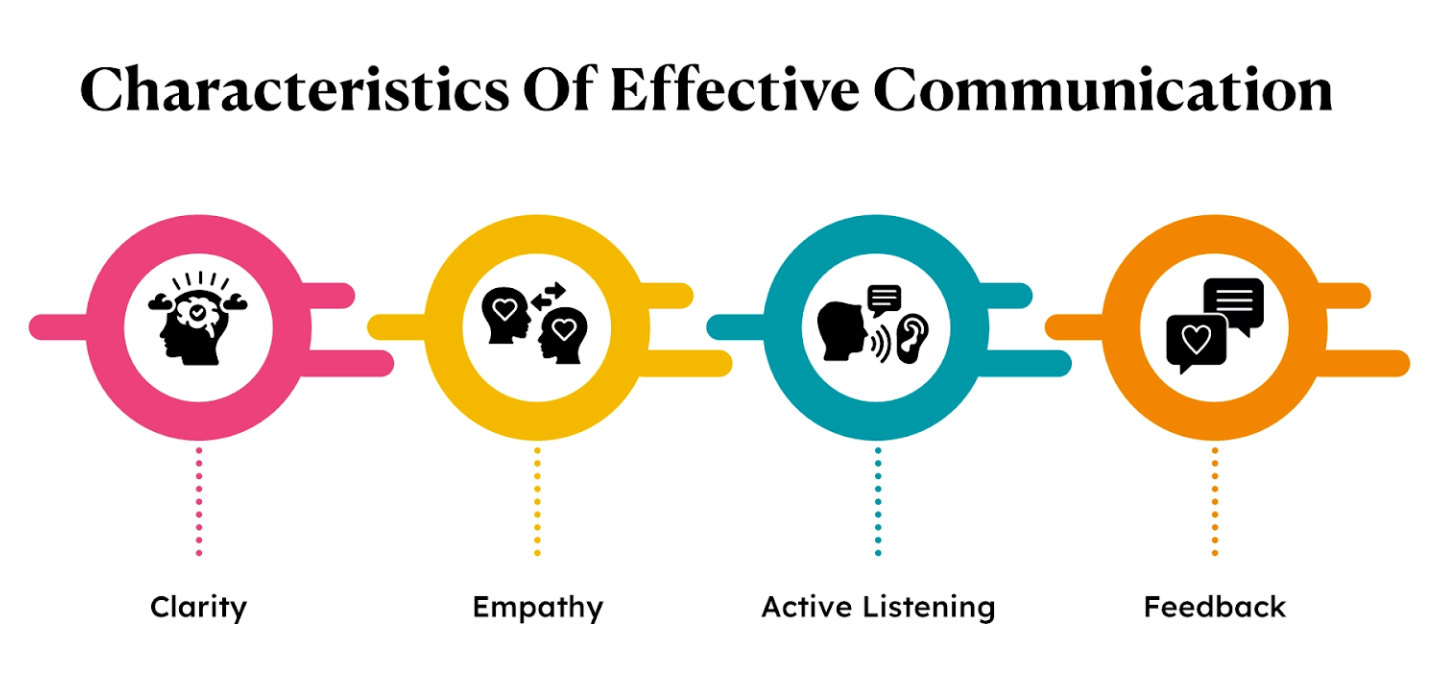
Some collaborations end faster than expected. Others turn into years-long partnerships simply because someone bothered to stay in touch. Consistent communication is the difference — someone needs to keep that connection alive by encouraging feedback, initiating the exchange of ideas, and nurturing creativity.
Source: Kapable
Think of it like checking in with someone whose work you genuinely respect. Think beyond standard follow-up emails. Find mutual interests, be there to speak to them on special occasions, and a true human touch and care will pay you off in the long run.
Small things that build long-term trust:
- Send genuine notes, not ChatGPT-made clichés.
- Reach out even when you don’t need anything.
- Stay truly interested in what they’re creating.
Sure, consistent communication takes time and requires dedication. But for a truly strategic relationship and a partner you can rely on in promoting your business, that shouldn’t be an issue.
🧲 The bottom line: Remember, lasting relationships always involve forming emotional bonds, which often stipulate the ability to read between the lines. As Peter Drucker once put it, “The most important thing in communication is hearing what isn’t said.”
Interpreting outcomes to strengthen future campaigns
In a strategy as we’ve described, success doesn’t come when you get the first blogger to sign the collaboration agreement, or when you’ve worked with them for a week or a month. Success rests on your ability to use the initial and ongoing outcomes to improve your future outreach efforts.
Tracking key metrics
If you don’t track the outcome of your outreach, you’ll always be guessing whether things are going well or whether you’re just surviving on luck. Blogger outreach becomes a real strategy only when you can look at the numbers and understand what they’re trying to tell you.
Half the job is sending good pitches. The other half is reading the signals that come back.
Here’s the handful of numbers worth obsessing over:
- Replies: The world’s simplest feedback mechanism. Replies are always the first sign of life. If they’re low, that’s your pitch telling you it needs a rewrite.
- Placements: Proof you’re offering something bloggers want. They tell you who actually wanted to work with you, not just who politely replied.
- Backlinks: Long-term SEO payoff, when placed contextually with the right anchors. Backlinks reveal which collaborations have substance rather than fluff.
- Traffic: The audience’s vote — click or no click? It gives you the real proof: did anyone care?
As you gather more campaigns under your belt, the numbers begin to tell a larger story — one that shows you exactly where your outreach is growing and where it’s quietly asking for help.
Analyzing campaign quality vs. quantity
There’s a moment in every outreach program when you look at your spreadsheet and think, “Okay… we sent a lot of emails. But did any of this actually matter?”
That’s the point where the numbers stop being about volume and start being about meaning. Because the truth is: sending 200 pitches doesn’t say anything about success.
Quality shows up in ways quantity never will:
- It shows up in a well-placed article that actually shifts someone’s opinion.
- It shows up in a collaboration where the blogger puts genuine care into the storyline.
- It shows up when a guest post brings in readers who aren’t just passing by, but sticking around long enough to explore your world.
Quantity, on the other hand, can be deceptive. It creates movement, but not necessarily progress. You can chase dozens of low-value placements and end up with a pile of weak backlinks and zero meaningful traffic.
Or you can land five strong collaborations and feel the impact immediately. You will see it in your product SERP positioning, authority signals, and high-value traffic, most of which convert into customers.
Here’s what you want to compare:
- How many pitches turned into thoughtful replies, not just placeholders?
- Which collaborations came from enthusiasm, not mere reciprocity?
- Where did the brand voice feel at home instead of squeezed in?
- Which posts triggered real user engagement?
The goal isn’t to do more. It’s to do more of what works. When you start analyzing your campaigns through that lens, the patterns will reveal themselves: who’s worth revisiting, which ideas deserve a second life, and where you should never waste energy again.
🧲 The bottom line: Quality is harder to measure, yes — but it’s the only thing that compounds in the long run. Quantity just fills space; quality builds momentum.
Using insights to scale and improve future outreach
The funny thing about outreach is that the useful lessons rarely show up in the places you expect. You think you’ll learn from the “big wins,” but half the time the smartest insights come from other, less conspicuous things:
- Maybe the blogger with the smallest audience brought the best readers.
- Maybe the pitch you wrote in a hurry got the most replies.
- Or, perhaps, a single SEO KPI screams to you about a problem louder than a dozen other metrics (which look normal).
Outreach is full of these contradictions — and those contradictions are gold.
If you slow down long enough to look at what actually happened, you start to see a shape. Not a perfect pattern, but a direction. Team up with your colleagues, run a brainstorming session with snacks and coffee/tea, and ponder over the details. For instance:
- Which ideas had life?
- Which communication channels worked better than expected and why?
- Which bloggers made the work feel easy instead of heavy?
That’s the stuff you carry into your next round — the sort of signals that help you shape a stronger outreach program without even trying too hard.
Use these lessons as momentum, not punishment. The more you let them shape your next moves, the more your outreach evolves into something with direction, texture, and intention. And that’s when scaling doesn’t feel intimidating anymore — it feels natural.
🎯 Pro tip: When something works, dissect it immediately. Most ideas fail not because they are bad, but because the timing is not right. When you detect, analyze, and leverage the earliest clues of success, you stand a much better chance of getting a positive return on your efforts.
Conclusion
Blogger outreach can yield fantastic results when approached strategically. Start with a careful selection of your ideal bloggers. For that, consider the following steps:
- Clearly define your target audience and topic focus.
- Evaluate blogger relevance and authority.
- Utilize relevant tools to help you shortlist the best candidates.
Next, pour effort into your outreach messaging. Show bloggers that you see their work, understand their readers, and value their voice. Authenticity is magnetic. People respond to sincerity far more than they respond to perfectly optimized paragraphs.
Then focus on collaboration as something human, not mechanical. Choose formats that feel natural. Bring your best content in the form of guest posts and product reviews. Respect their guidelines, their creativity, and their time.
These little acts of consideration will turn your one-off projects into meaningful partnerships with tangible marketing and SEO gains.
All trademarks, logos, images, and materials are the property of their respective rights holders.
They are used solely for informational, analytical, and review purposes in accordance with applicable copyright law.




 Sign Up
 Sign Up