






Freelance SEO: A Complete Guide to Starting and Growing Your Practice
SEO work today is different from what it used to be some 10 and 20 years ago. And it's not only about technological progress.
Instead of life-long careers, stability and predictability in the nature of SEO work and one’s earnings, we have ad hoc tasks, frequently changing working terms, and highly volatile market conditions.
That's the kind of environment where one particular type of search engine optimization professional thrives — a freelance SEO. Enjoy the freedom of choosing your employer, how long you work for them, from which location in the world, and dictate your own terms and conditions. That’s the ideal picture, the very best of SEO freelancing, that we usually imagine.
However, for that dream to come true, a lot of work has to be done in advance. Starting with your experience and skills, building your personal brand, and approaching potential employers — these things determine whether you become just another average-paid contractor, or a sought-after expert.
In this guide, we’ll walk you through the mindset, skills, and strategies you need to launch and scale a thriving freelance SEO practice. Buckle up — this is going to be a practical, energizing, and genuinely eye-opening crash course.
What you need to know about working as a freelance SEO consultant
Freelance SEO as a profession didn’t appear overnight. It was slowly growing and maturing over the past decades, as an apple in your garden grows from spring to fall. Entering this field, you must clearly understand what hard skills and personal qualities the modern employers will expect you to bring to the table, and how much you can realistically earn for the type of services you’ll deliver.
The evolution of the SEO profession
To understand how this field evolved, it helps to remember what the early days looked like. It was a lot of guessing, a lot of repeating keywords (the notorious “keyword stuffing” when a single keyword occupied over 5% of a text’s volume), and a lot of “let’s hope this works.”
In the early SEO days, the job volume was small, and you could literally learn most of it from a forum post or two. Nobody talked about site architecture, user behavior, or intent. Using AI to aid SEO was a fantasy, and the first large language models (LLMs) were decades away.
The job slowly became more serious as the web grew. Algorithms changed. People searched differently. Websites became heavier and harder to manage. Users began spending more time online. For instance, according to DataReportal, last year, internet users were spending more than 6½ hours online each day on average.
More time online means more competition for attention, which naturally pushes the profession to evolve.
The main turning points look something like this:
- Search engines learning context → less mechanical work for SEO specialists.
- Sites becoming more complex → more technical thinking required.
- Clients expecting clarity → more explaining, less mystique in content.
- Tools doing the repetitive tasks → humans focusing on judgment and strategy.
All of this created a modern-day SEO job that feels more like a blend of investigation and communication. You don’t just “optimize pages” anymore. You help people understand what’s wrong, what matters, and in which order things should be fixed.
For someone entering this field today, the work is broader but also more interesting. You build strategies, design services, fix things, explain things, and try to understand what people actually want to find when they type something into a search box.
For those with a solid SEO experience, this shift makes more sense, while their experience gives them a clear competitive edge over the recent graduates or the newcomers to the profession. AI can easily handle the simple, repetitive tasks that used to be entry-level work, which makes breaking into this profession tougher than it used to be.
Core skills and daily responsibilities you’ll handle as an SEO freelancer
People outside the field sometimes assume the work is all keywords and writing. It all seems simple to them, with many of them saying there is nothing truly new produced here, and the word “engineering” is not about SEO.
The reality is quite different, though. Everyone who dares to learn SEO in-depth understands that early. Practitioners tell us that the core skills for this job are a mix of logic, patience, and a surprising amount of problem-tracking.
Some days, it feels like you’re doing everything for everyone in your whole marketing team, as many marketers rely on SEO data to do their job.
Technical SEO, for example, becomes essential earlier than expected. You don’t need to be a full-blown engineer, but you do need to understand why a page stops behaving or why a site suddenly refuses to load on mobile. These things become a part of your workday, whether you planned for them or not.
Most of the must-have abilities boil down to this:
- Technical SEO — solving issues that enable websites and individual pages to perform well.
- Communication — helping clients (internal and external) understand the oddities.
- Critical thinking — questioning good and bad patterns, raw data, and quick results.
- Content management — designing tasks and evaluating the work of SEO copywriters (e.g., preparing the structure and the list of keywords).
- Planning — keeping marketing and technical projects from derailing.
A typical day of an SEO expert can involve strategy work, content outlining, and untangling all the tiny problems that accumulate in the background. You collect data, analyze it, explain to people why something doesn’t work, and spend hours at a dashboard teaching your colleagues the basics of search visibility and SERP ranking.
📌 Remember: Those who end up becoming an expert don’t reach that point by mastering a single formula. They get there by thousands of hours of hard work, learning from mistakes, getting up and going forward, no matter the difficulty and obstacles.
Anyone working in SEO as a freelancer eventually develops this professional resilience — mostly because websites leave them no other choice.
Current market demand and realistic earning expectations
If you look around the digital space long enough, you’ll notice that the need for search help never quite disappears. New tech replaces the old one, AI is already here to help people find answers and make sense of the search results, but the quest for information is an innate human instinct that never fades away.
Earnings and rates of SEO enthusiasts, on the other hand, are more unpredictable. Selling freelance SEO services sometimes feels like pricing handmade, designer clothes — you overprice or underprice it, but the end value will always make sense (provided you can explain your price tag choice).
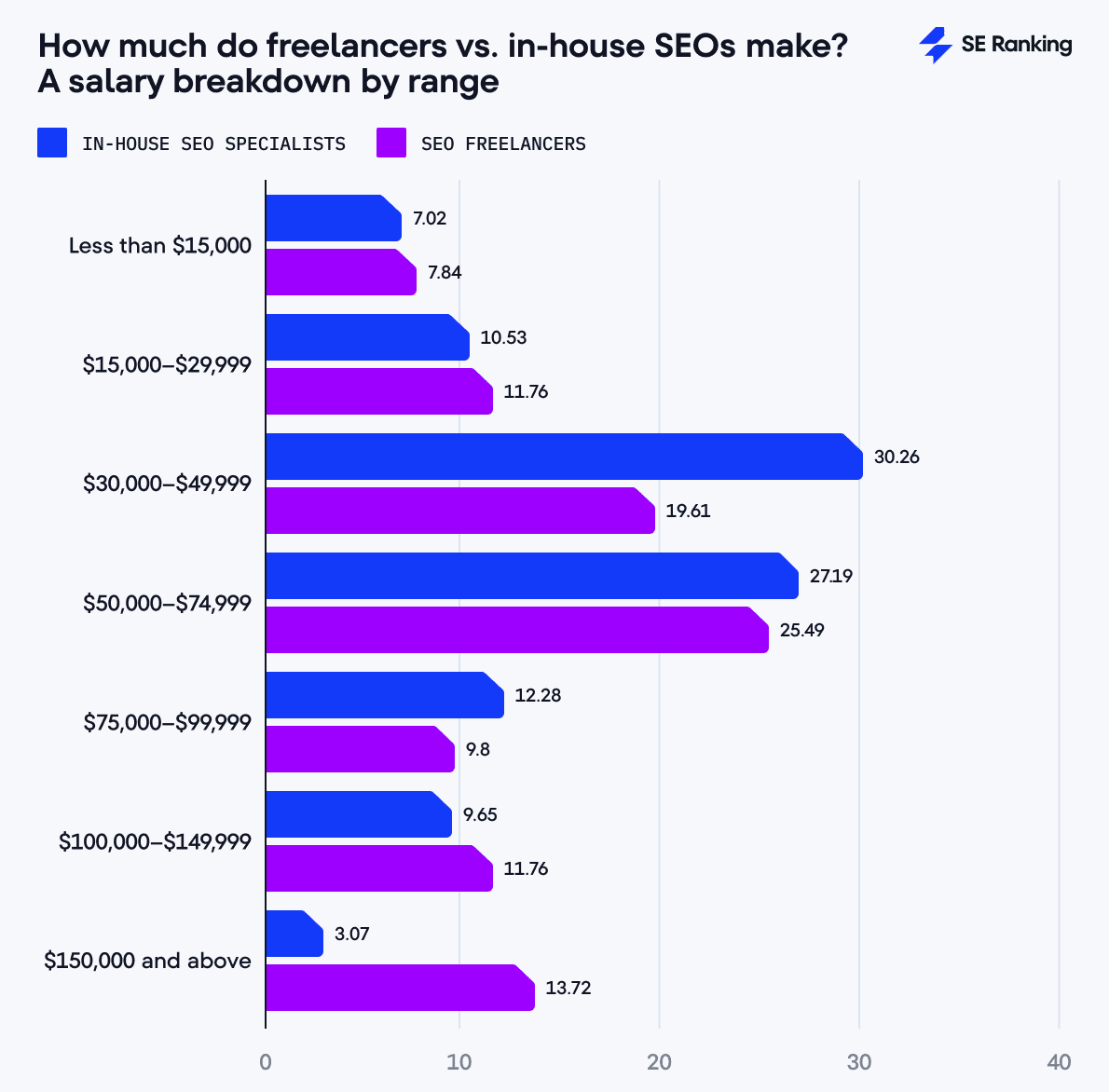
Source: Seranking
Here are the most sought-after SEO tasks that the modern specialists deal with every day:
- Retainer projects — steady monthly work with predictable tasks.
- Fix-and-go jobs — good for testing the waters with new clients.
- Strategy planning — deeper work that takes actual thinking time.
- Advisory calls — surprisingly profitable once you have a strong reputation.
The challenge is not the lack of opportunities; it’s more about picking the right tasks for your skills. Besides good remuneration, the work you’re doing must also feel inspiring and engaging. If that’s the case, even boring and routine tasks will not drain your energy tank.
Still, people who stick around long enough usually figure out where they sit on the pricing map. They build confidence, ask for reasonable pay, and stop apologizing for every invoice. That’s when the job starts feeling less like pain and more like an actual profession.
Setting up your SEO practice
There is a starting point for everything, and your freelance SEO practice is no exception. Begin by choosing your unique market niche, somewhere you can realize your talent and grow continuously as a pro SEO.
Then, focus on your personal brand — the virtual showroom of your capabilities, skills, and past projects. This step is crucial as it has a direct impact on your online visibility — the thing that every SEO deals with daily, but this time it's your own brand, not someone else’s.
Choosing your niche and defining your service offerings
It may sound counterintuitive, but choosing a niche is not about limiting yourself. It’s about finding a safe harbor for your skills and talents, somewhere you’ll feel at home.
Some specialists enjoy technical puzzles, while others get energy from writing briefs and guiding a content writer through drafts. Both are valid places to start — and both help you shape your future talents and, with it, your future rates.
The trick is to look at the areas where you naturally think faster and better than your average SEO counterpart. Maybe you’re good at local SEO for small service businesses. Maybe you can make sense of messy e-commerce catalogs. These small advantages are the clues that form the foundation of your niche.
A few places to look when picking your lane:
- Fields where you’ve spent a bulk of your free time reading stuff for pleasure.
- Work that doesn’t drain your brain by Tuesday afternoon.
- Content-heavy or tech-heavy work that feels comfortable to you.
- Tasks you’d do even if no one paid you (within reason).
Once you pick your direction, everything else will go more easily from this point. You’ll quickly decide how much structure you want — bundles, monthly retainers, or simple task-based pricing. You’ll also get better at explaining to your current and potential clients what you do and what you don’t do.
It’s funny how quickly things improve once your niche is clear. Clients take you more seriously. You stop questioning every invoice. And your rates will make more sense to you and to your clients.
Building your personal brand and online presence
Online presence is one of the central concepts in SEO. Everyone knows how important it is and how to build one. However, this time, the online presence of an SEO freelancer is the goal.
When combined with your personal brand, online presence becomes the version of you that works while you’re offline. It answers questions before clients even think to ask them. And in a field built on credibility, that’s a powerful advantage.
A consultant doesn’t need to shout online, but disappearing completely makes things harder than they need to be. People want to know who they’re emailing. They want to feel the personality behind the screen. Even a short introduction can make you stand out from the ocean of faceless “SEO experts.”
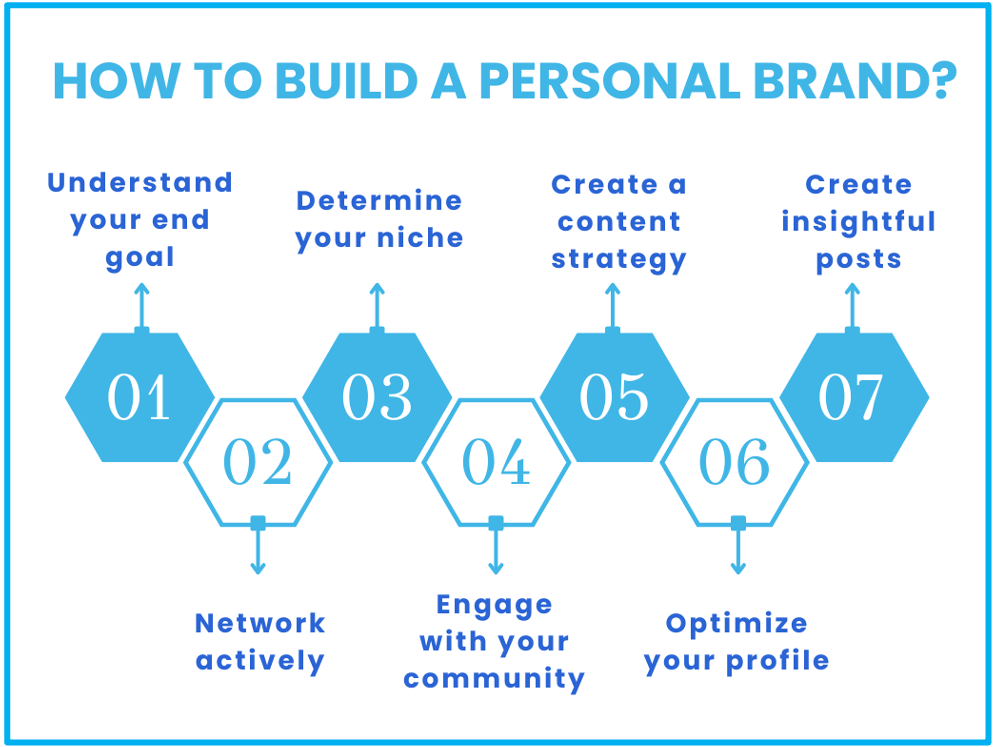
Source: Talente
You can start with the smallest steps possible and still see a difference. For instance, here are a few building blocks worth adding to your public space:
- One public profile that feels warm, not robotic (Consider building a website dedicated to your personal brand with Replit. That will WOW your potential employer).
- A handful of LinkedIn posts showing how you solve SEO problems.
- Evidence of past work, even in tiny stories, or happy customer reviews.
- An authentic tone of voice that reflects how you actually speak during client talks.
📌 Remember: None of this needs to be polished. In fact, polished often reads as artificial, or worse — ChatGPT-generated. The more authentic you sound, the easier it is for clients to picture working with you.
Eventually, this visibility snowballs. People tag you in conversations. They ask for your perspective. And without you announcing anything, you start getting treated like an expert — simply because you’ve made your thinking visible.
Creating a portfolio and proof of expertise
A portfolio is your working history, but trimmed down to the useful parts. It shows how you think, what you fix, and the kind of problems you’re not afraid to tackle.
What's important, though, people looking for help don’t want theory; they want to see the real work behind the title. They also won’t appreciate fluff, empty words like “I’ve managed a big SEO project and successfully completed it within the timeline and budget”. Instead, mention your concrete achievements, e.g.:
- Improved organic traffic by 47% within six months for a B2C website.
- Reduced page load time from 3.8s to under 1.5s through technical fixes (include examples of fixes you’ve made).
- Secured 18 high-quality backlinks that boosted the site from page 3 to page 1 in Google’s SERPs.
If you’re doing freelance SEO, your portfolio becomes a quiet negotiator. It explains the value of your time long before the conversation about pricing even starts. That’s the real benefit — it builds trust without you having to oversell anything.
Besides concrete and measurable results mentioned earlier, an effective portfolio can include things like:
- Before-and-after snapshots of work you’ve done.
- A short breakdown of a tricky SEO issue you solved.
- Screenshots from tools you’ve used with quick context.
Tellingly, most SEOs would just make an Excel portfolio. The question is — will your Excel portfolio help you to stand out? Modern AI tools like Replit can allow even a beginner to develop their personal websites. So, why don’t you make yours where you showcase your personal brand and portfolio? This will impress your clients and move you to the top of their potential freelancer list.
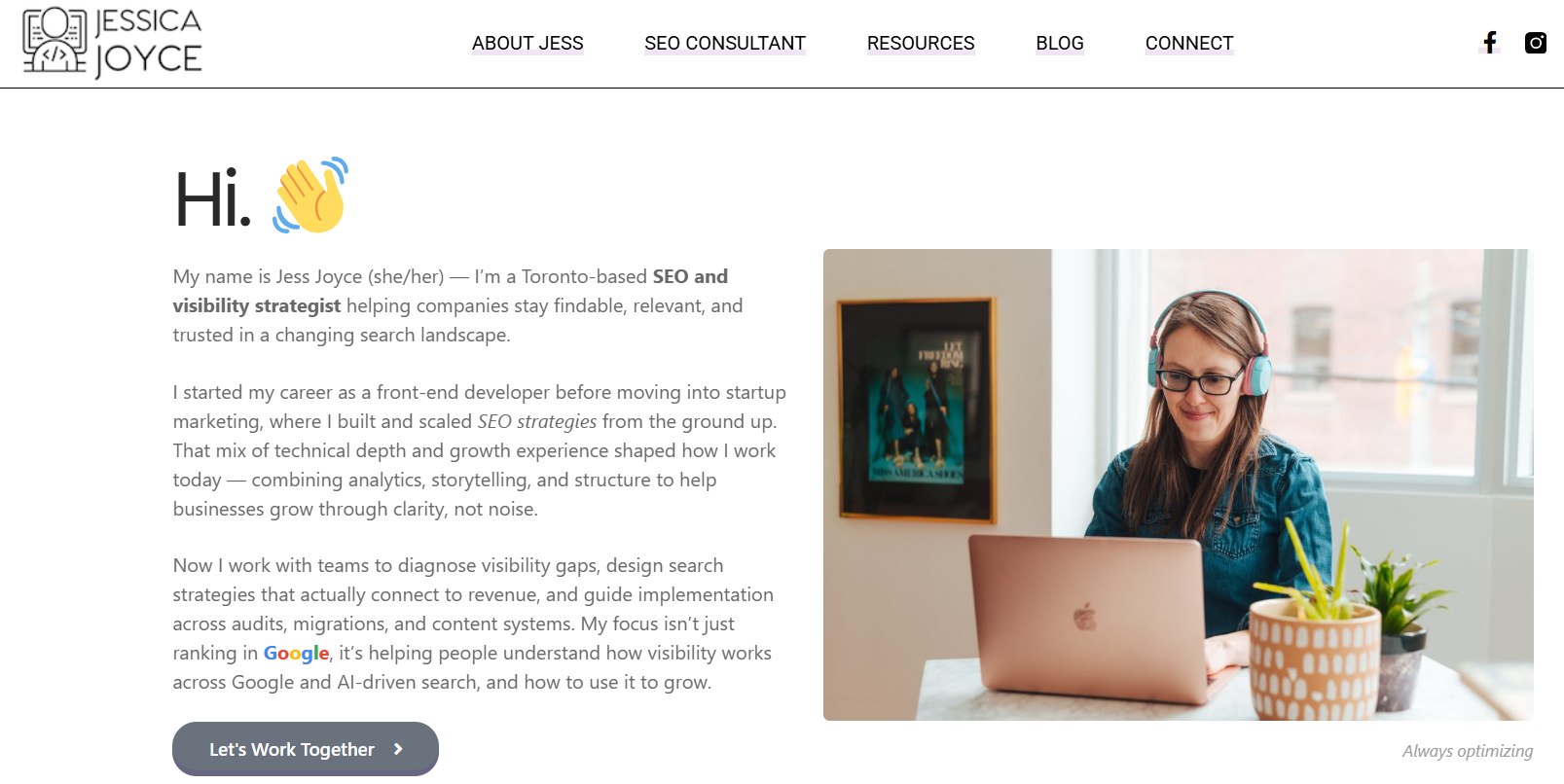
Source: Jessjoyce
Over time, your website portfolio becomes less of a “document” and more of a living record. You update it when something meaningful happens. You remove things that no longer feel like you. And without noticing, you end up with something that quietly proves you know what you’re doing.
Winning your first clients and building relationships
So, you’ve got an impeccable website representing your personal brand, or a neat portfolio made up with Notion, Google Sites, or a lightweight Webflow page, now what? Sit and wait for clients to come and contact you directly? That is one passive tactic, which may work eventually.
However, if you need to find a job here and now, you’d be much better off with a more proactive approach: searching for potential clients on job posting and freelance platforms.
Best platforms and channels for finding freelance SEO clients
If you need work sooner rather than later, relying on luck isn’t the safest strategy. You need somewhere to start knocking — politely, but consistently. The good news is that this field already has several spots where clients look for help long before you ever reach out to them.
The best-case scenario is when someone you’ve already worked for and produced excellent results recommends you to a new potential client. This is referral employment at its best. It has the highest success rate and the likelihood that you’ll be paid generously.
But such direct referrals are rare, especially if you are only starting your SEO career as a freelancer.
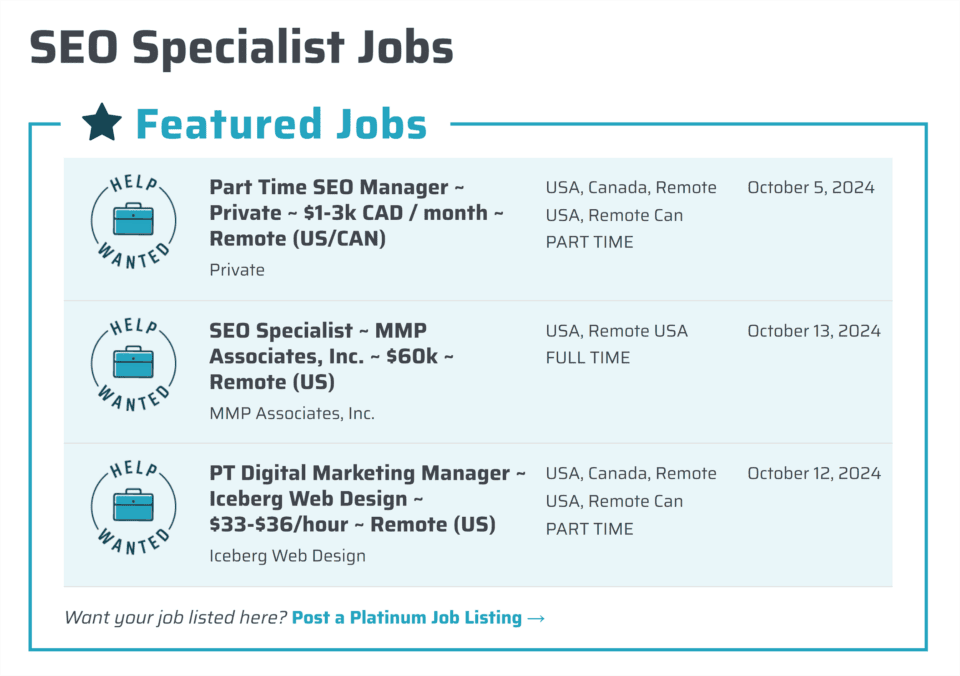
For someone beginning their path in SEO, job platforms are the first place to look. Contrary to the popular myth, they are not a sign of “low tier.” They’re simply busy intersections where clients cross paths with people who can solve their problems.
All in all, the following channels tend to produce the fastest responses:
- LinkedIn — especially groups where founders share growth issues.
- Upwork — quality varies, but the volume compensates.
- Local business directories — underrated but surprisingly effective.
- Direct outreach — short messages to companies clearly struggling with SEO.
None of these guarantees instant results, but it gives you motion. And motion is what leads to the early conversations that turn into paid work. Once you have those first few clients, referrals often follow — slowly at first, then more reliably as you mature as a specialist and happy customers start to recommend you to their friends and colleagues.
Source: Backlinko
How to craft proposals and pricing packages that convert
When you are at the stage of writing a proposal and trying to win your first client, the anxiety is universal, and it doesn’t take a professional writer to understand that. But once you’ve sent a few dozen proposals, you start noticing a pattern: clients like simple things written by people who sound like themselves.
Proposals are not performance pieces. They’re explanations. You walk someone through a problem, share your plan, and tell them what it costs. Anyone who expects a show is probably not your client anyway.
The best proposal content usually comes down to these few points:
- What challenge does the client want to be solved?
- What steps will you take, in the actual order you’d follow?
- When can they expect updates or deliverables?
- Rates that feel tied to the outcome, not the clock.
📌 Remember: Effectiveness in winning clients is less about the number of points you include in your proposal, but more about the quality of each point. Take your time, and think everything through carefully. Writing convincing proposals is an art that requires learning.
Most clients don’t compare proposals the way we imagine. They skim for confidence, clarity, and fairness. When those are visible, the decision becomes easy for them — and far less stressful for you.
Managing client expectations and communication
Managing expectations is one of those skills you only appreciate after you’ve had a few projects go sideways.
Most clients don’t come with perfect briefs. They cannot formulate their expectations clearly, and many don’t know what they want until they see what they don’t want. And that’s where your role shifts a little — from SEO specialist into something closer to a consultant who guides, reframes, and occasionally translates.
Clear communication reduces 90% of the stress in this profession. You’re not expected to answer emails at lightning speed, but you are expected to set boundaries and explain how you work. For example:
- What’s included in your work (scope of work)?
- What is outside your scope/competencies?
- How long will it take for you to deliver the first and final results, respectively?
These small clarifications protect you just as much as they protect your reputation and the client’s project.
In particular, the following few elements will help keep things smooth from the beginning of your cooperation:
- A simple explanation of what you’ll deliver and why it matters.
- A shared timeline that leaves breathing room for surprises (if anything goes wrong).
- Regular check-ins and project updates that are short and to the point.
- One place where tasks, notes, and documents actually live.
Managing collaboration with the client becomes easier when you take on a project manager's hat. A relevant prior experience would be a big plus. If you don’t have one, learn the basics from entry-level PM guides — the lightweight ones, not full textbooks.
For example, refer to ClickUp’s quick-start PM guides or Trello’s “Getting Started” hub.
Clients relax when you define the edges. If the boundaries are blurry, everything else becomes harder — including billing, deadlines, and sanity.
📌 Remember: the point is not to tell clients everything, but to tell them what helps them make decisions. That’s your role — you filter, guide, translate.
Once the relationship stabilizes, you’ll notice clients stop obsessing over tiny dips or weird metrics. They start trusting your judgment. And that trust lets you do your best work without feeling squeezed by unrealistic demands.
Delivering high-quality SEO work
Winning clients with the above-mentioned techniques is guaranteed in most cases. However, most clients value freelancers not by a single job competition won, but by a consistent delivery of high-quality freelance SEO work. Below are a few recommendations that will help you succeed in this department as well.
Creating SEO strategies tailored to client goals
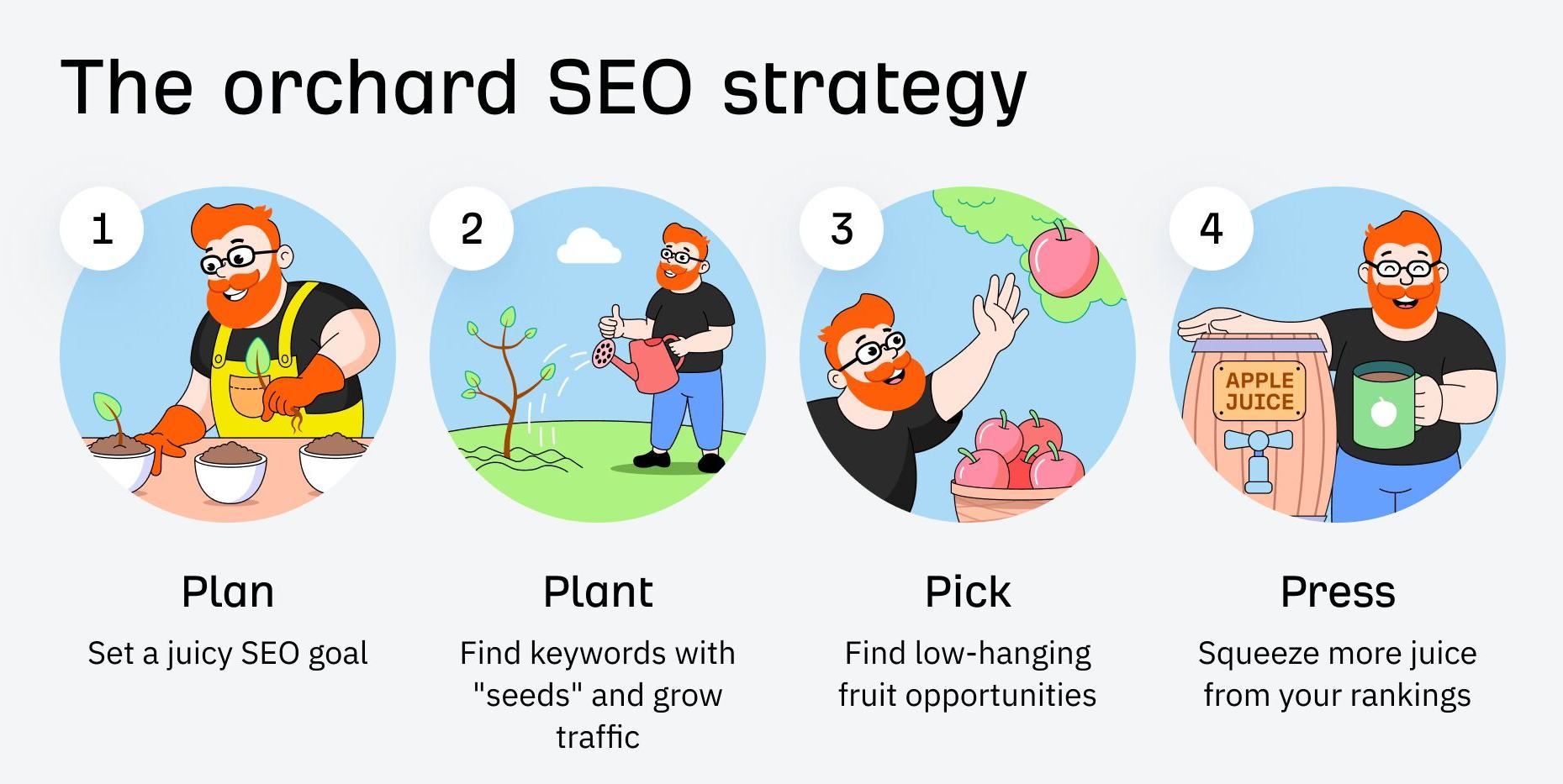
Strategy work often looks more mysterious from the outside than it really is. In truth, it starts with listening — something every specialist must do well. You gather fragments of information from the client, connect the dots, and create a path they can understand.
Clients usually appreciate it when you slow things down. Instead of throwing a dozen tactics at them, walk them through what’s realistic for their stage of growth. At this point, don’t worry about not being fast and agile, what the modern marketing tutorials teach us to be. Even in the fastest environments, there is always time to slow down and organize things for higher efficiency.
Here are a few angles worth exploring when shaping your strategy:
- What does the client sell, and to whom do they sell?
- Which current SEO tactics already bring decent results?
- What’s the client’s business like: a lean startup, a mid-size, or an enterprise?
- What matters most in the next 60–90 days?
Once you clarify these pieces, your strategy puzzle will be easier to assemble. You’ll see which content deserves strengthening and which pages need technical help. You’ll also notice gaps — places where a single improvement could boost outcomes quickly.
Clients rarely remember every detail of your plan, but they will remember how grounded it felt. When your strategy connects directly to their goals, it becomes easier for them to trust your direction — and easier for you to deliver work you'll be proud of.
Source: Ahrefs
Using tools and data to perform technical, on-page, and content SEO
Tools are not optional in search engine optimization anymore; they’re part of the job. Even the simplest site hides dozens of details you won’t catch by hand. Think of tools as flashlights: they illuminate the corners nobody checks until something breaks.
Only those SEO freelancers who master tools, including the cutting-edge AI ones, will be able to stay competitive and win clients. Those who’ll continue doing SEO the old-fashioned way will likely be left outside the freelancer market.
At the same time, most specialists don’t need a complicated setup. A few trusted tools used consistently will outperform twenty tools used randomly. The goal is to see how the site behaves and understand what needs adjusting.
You’ll likely use tools for things like:
- Spotting broken elements in the technical setup.
- Reviewing how pages are structured.
- Planning content based on real searches.
- Understanding what competitors are ranking with.
And what about the concrete tools you should use? Here are some of the most popular and effective tools as of today:
- Ahrefs — great for spying on competitors, analyzing keywords, and checking backlinks.
- Screaming Frog — crawls your site like a mini-Google and reveals technical problems.
- SEMrush — an all-in-one dashboard for keyword research, site audits, and content planning.
- Surfer SEO — helps you shape content around real search patterns, utilizing AI potential to a great extent.
Once you have the data from your tools, the real work begins. You’ll need to translate errors and insights into next steps that make sense for the client. That’s where your judgment matters more than any digital dashboard.
📌 Remember: Good tools won’t make you an expert, but they will shorten your learning curve. They help you focus on the real issues instead of guessing, and that makes your work both more reliable and far less stressful.
Reporting results and demonstrating ROI to clients
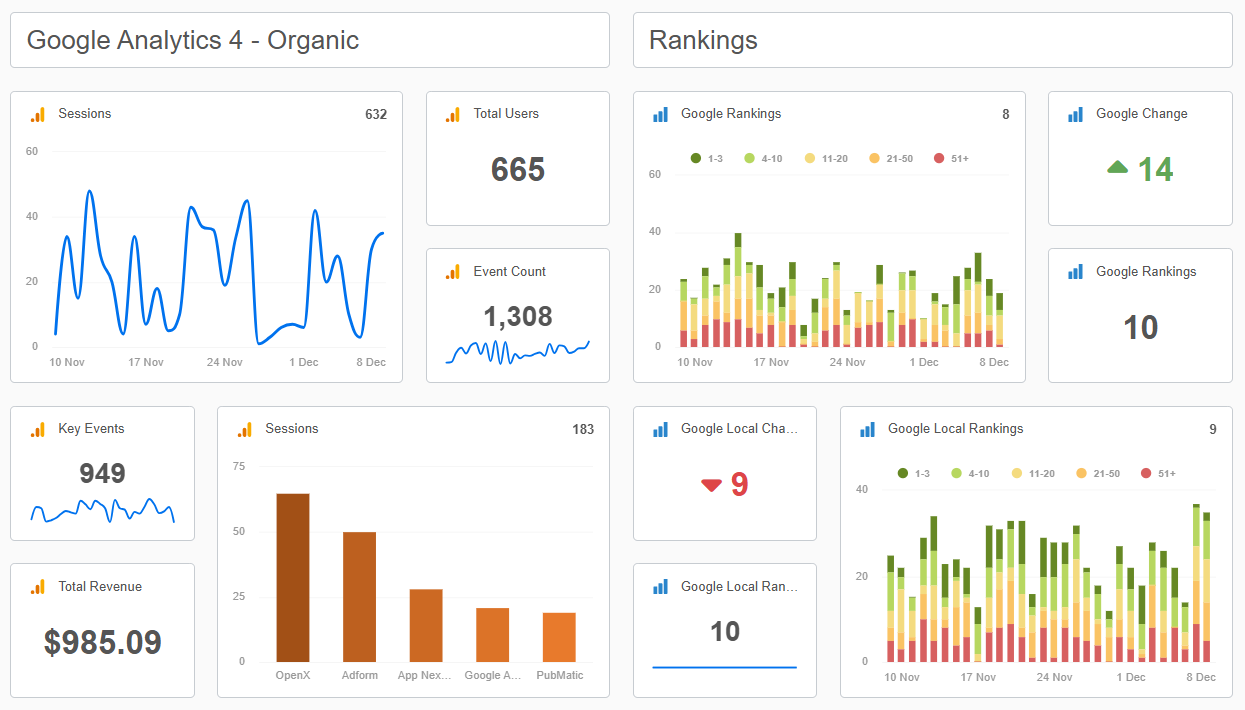
Most clients don’t read every line of your report. They are not autonomous AI agents, after all (at least not yet). They are humans who skim, stop at the colorful bits, and scroll to anything that looks like “progress.” Knowing that is your secret weapon. It should help you make reporting look more professional.
In reporting, your job is to highlight the changes that actually matter. Treat the report like a business conversation, not an audit. Walk your clients through what worked, what didn’t, and what’s next.
Here’s a simple checklist you can borrow:
- What changed this month (good or bad — both matter)?
- What did you fix that had a measurable impact on the client's campaign/strategy?
- What do you recommend changing next?
- What do you need from the client?
Finish every report section with one small piece of insight. This will increase readability and the value of your report for the client. They’ll see where their money goes.
Source: Agencyanalytics
After a few months of consistent reporting, you’ll see something interesting: clients start referencing your explanations in their team meetings. They start trusting your professional judgment. That’s a good sign your collaboration is moving in the right direction.
What modern SEO specialists should focus on to earn more
In the end, we’d like to give you some extra tips to help you earn more while spending less time and energy. Knowing how to make the most of your SEO work is really about directing your skills towards activities that pay fairly and feel sustainable over time.
Prioritizing content-led SEO strategies that align with search intent
If there’s one thing that rarely goes out of style in the SEO field, it’s content that actually helps someone. Not the type of content you make for search algorithms. Not the kind of content for internal approval. But content for real human searchers.
Search intent is where most specialists slip. They want fast solutions and shortcuts; it’s not difficult to understand why. As a result, inexperienced SEO freelancers jump into drafting without asking what the reader hopes to achieve.
If you manage to avoid this mistake, everything from structure to tone will become clearer — and so will your ability to charge for strategy, not only execution.
Apply the biggest part of your energy into these directions:
- Understanding the “why” behind a query — not just inserting keywords.
- Improving clarity — short intros, helpful subheads, real takeaways.
- Adding depth — something competitors didn’t bother explaining.
- Choosing the right content format — a list, a walkthrough, a guest post.


This approach works because it respects the reader. No theatrics, no fluff. Just clear, dependable content that does its job. And clients see the difference quickly, which makes your work easier to explain and easier to get paid for.
Offering technical SEO and site performance optimization as premium deliverables
Every SEO specialist has to go through a journey that starts with fear of technical work and ends when it feels absolutely comfortable. Once you’re there, offering it as a premium service feels natural.
In general, technical SEO is the bread and butter of SEO work. People love the person who can figure out why their site is slow or why their product pages keep vanishing from the index.
A specialist who can diagnose structural issues, speed bottlenecks, or crawling breakdowns becomes the person clients call first — sometimes before they call their own dev team. Clients also tend to pay more for work that saves them time, money, and embarrassment. Technical issues tend to do all three.
Here are the technical areas that usually fall under premium deliverables:
- Performance tuning — cutting load time without breaking the website/page design.
- Indexing and crawling fixes — helping search engines understand the site.
- Core Web Vitals adjustments — improving stability and readability.
- Script and plugin cleanups — removing things nobody remembers installing, which usually slow down websites like nothing else does.
- Technical roadmaps — showing clients what to fix and in which order.
Technical projects don’t always look glamorous, but they’re the ones clients remember. When you fix something fundamental, you change their daily life. And that’s exactly why these tasks command higher fees — the impact is immediate and impossible to ignore.
Delivering SEO audits that uncover quick-win and high-ROI opportunities
An SEO audit is one of the fastest and easiest (if you know your stuff) ways to make money in SEO. You look at the client’s whole website objectively and pinpoint speed bottlenecks and efficiency obstacles. It’s a helpful process for both sides: the client gets clarity, and you get direction.
In practice, audits usually uncover predictable patterns. Some pages may load too slowly. Some keywords underperform. Some topics don’t match real user questions. Even the content might be fine, but buried under poor structure. These aren’t dramatic findings, but they’re the ones that make the fastest impact when fixed.
What matters most is how you present the insights. Clients don’t need a 60-page PDF. They need a list of high-ROI steps they can tackle today or start tackling tomorrow. The sooner you show quick wins upon implementing the insights your audit uncovered, the better it is for your future collaboration with this client.
For people offering freelance SEO, audits act like an introduction. You build trust by being clear and professional. And once the client sees that your recommendations actually change numbers, you become the person they call the next time something doesn’t look right.
Creating AI-enhanced content workflows that improve efficiency and scale
If you’ve ever been stuck sketching an outline (the notorious fear of a blank sheet of paper) or short of ideas on how to write an introduction, you should understand why AI is so popular these days in content creation.
AI-powered large language models are amazing at generating ideas at a speed unimaginable even for a team of experienced writers. Besides, it doesn’t complain, it doesn’t need coffee breaks, and it doesn’t need sick leaves. It just works day and night.
Most people think AI is about writing full articles. In reality, it shines in the steps before and after the writing. B2B SEO agencies use it to speed up research, finish unfinished sentences and paragraphs, and insert important keywords naturally throughout the copy.
Here are a few examples of the jobs AI handles well:
- Generating outline ideas.
- Drafting posts and articles.
- Suggesting headings you wouldn’t think of.
- Finding relevant statistics and facts online to back up claims.
However, AI can also be too generic and insert fluff. It’s your job as a supervisor and manager to feed it with the high-value instructions (prompts) and to check each piece of its work.
Clients hire you for judgment, not for robotic text. But when the groundwork is quicker, you have more time for strategic work, polishing, and the nuance that AI never fully understands.
Once you get comfortable with these hybrid workflows, your productivity will peak. You’ll find yourself able to take more projects without feeling overwhelmed, or simply reclaim time for higher-value SEO tasks — the ones that actually grow your income.
Conclusion
In the current volatile market conditions, where employers demand changes and businesses come and go over the course of several months, only one type of SEO specialist can survive and even thrive — freelance SEO.
A person who is a true expert in SEO offering their services for money can enjoy work from any place in the world, demand their own work terms, and build a successful portfolio faster than any in-house SEO can. But to get there, one must be a patient learner, a good planner, and realistically approach earnings from the first projects.
Let’s reiterate the roadmap for a successful freelance SEO practice:
- Pick a niche where your skills feel natural, and your learning curve feels rewarding.
- Define the services you want to offer and set initial rates tied to outcomes, not hours.
- Build a small but clear personal brand that shows how you think and what you’ve done.
- Publish your work online so potential clients can discover you before you reach out.
- Look for first clients on referral channels, job boards, and communities where problems are visible. Send them proposals that are simple, structured, and clearly tied to the client’s goal.
- Always deliver work of high quality, even when tasks are unglamorous or highly technical.
- Raise your rates gradually as confidence, client outcomes, and reputation grow.
As your experience grows, you’ll notice that some SEO areas promise quicker and higher earnings than others. Perhaps, it’s worth prioritizing them? Such areas may include technical SEO and site performance optimization, audits, and integrating AI tools into your workflows to improve efficiency and scale.
All trademarks, logos, images, and materials are the property of their respective rights holders.
They are used solely for informational, analytical, and review purposes in accordance with applicable copyright law.




 Sign Up
 Sign Up