






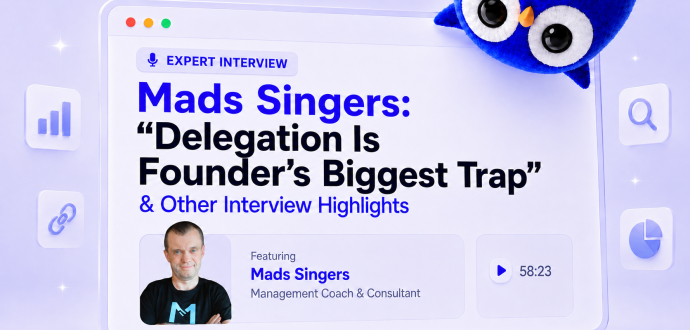
Mads Singers: “Delegation Is Founder's Biggest Trap” & Other Interview Highlights
The smartest people aren't always paid the most
The smartest people are rarely the highest earners. Highly intelligent people are usually excellent thinkers. But they're not always the best at taking action.
They tend to work more carefully, analyze every detail, and move more slowly.
Business success isn't driven by thinking alone. It's driven by doing. To succeed, you need to take action, move the business forward, and not be afraid of making mistakes.
Take Elon Musk as an example.
He's constantly pushing ambitious deadlines, challenging his teams, and attempting things that have never been done before.
He isn't waiting until success is guaranteed.
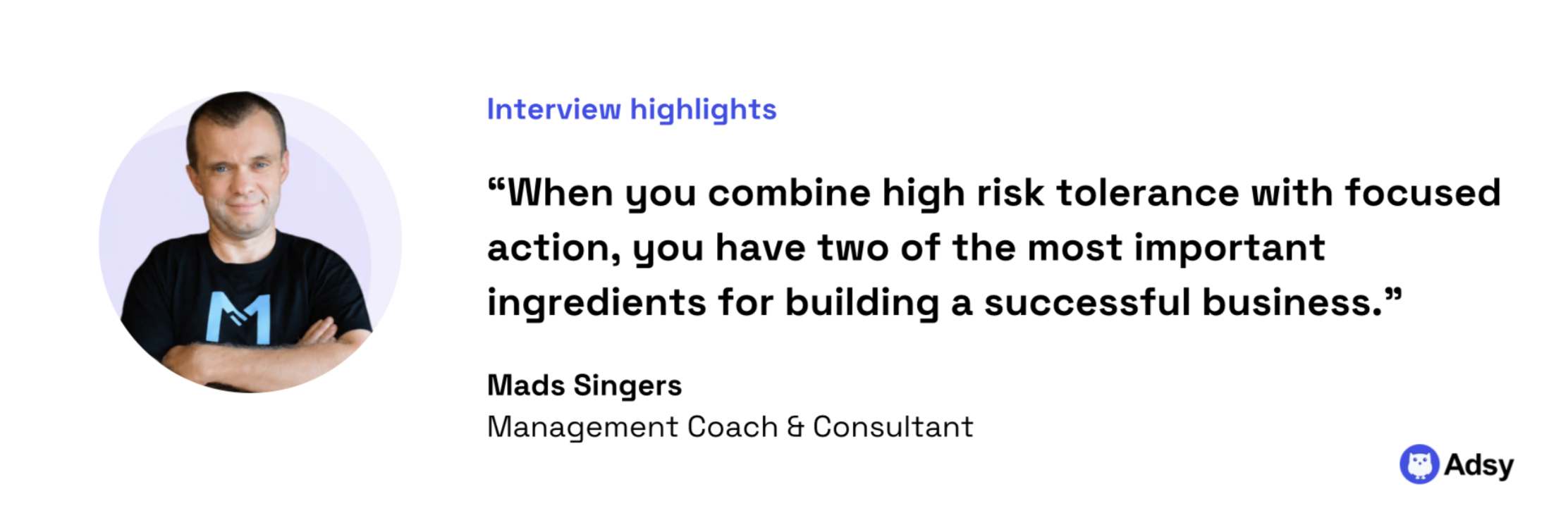
When you combine high risk tolerance with focused action, you have two of the most important ingredients for building a successful business.
What happens when a company outgrows its management?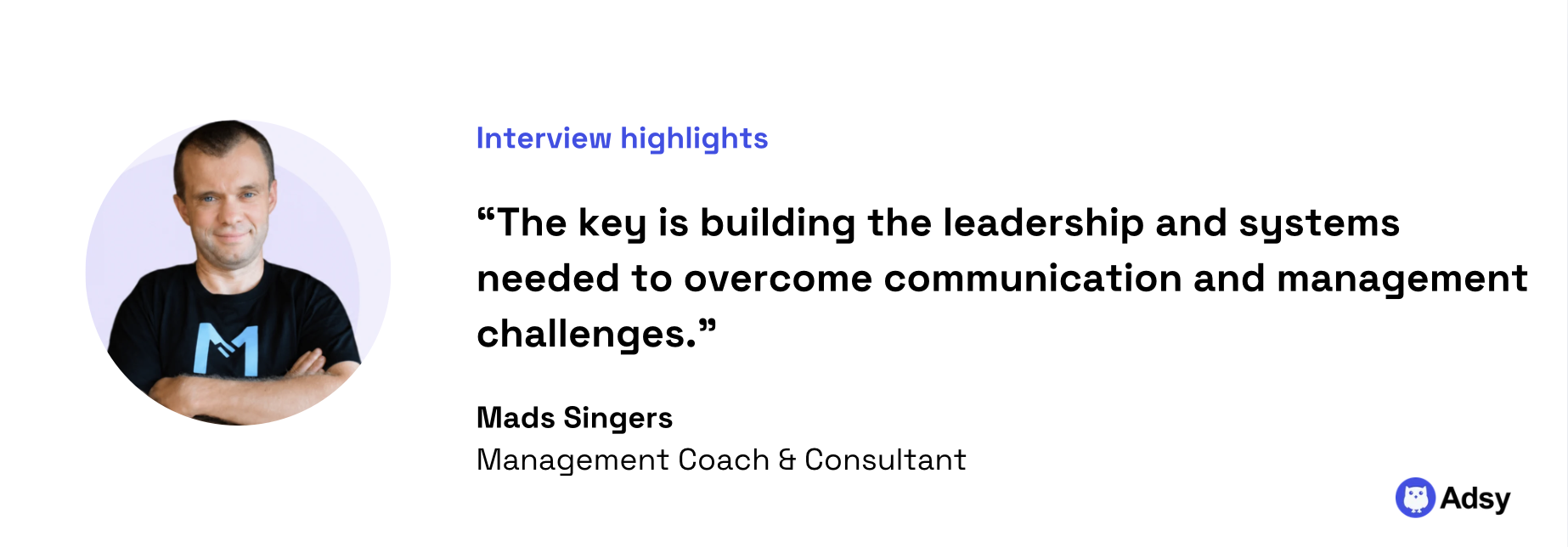
Growth starts to slow when you hire beyond your management capacity. You add more people, but productivity doesn't increase because you don't have the right managers or processes in place.
Every growing business faces these bottlenecks:
- The first bottleneck usually occurs when a founder manages more than 8-10 people. Management takes so much time that overall efficiency starts to decline.
- The second stage is around 25-30 employees. Companies often don't have enough qualified managers, so growth slows again.
- The third stage is around 50-60 employees. Communication becomes the biggest challenge. Because information has to pass through multiple layers of management.
The key is building the leadership and systems needed to overcome communication and management challenges.
Management vs. product: What should founders focus on?
If you have the greatest product in the world but nobody can sell it, you won't succeed. But if you have an incredible sales team and nothing worth selling, you won't succeed either.
That’s why you need to focus on both management and product.
For example, many SEO professionals are chasing one more SEO tactic, hoping that extra 1% of knowledge will change everything.
In reality, it usually won't.
If experienced SEOs want to make significantly more money, they should invest more time in business skills, leadership, and management.
And vice versa.
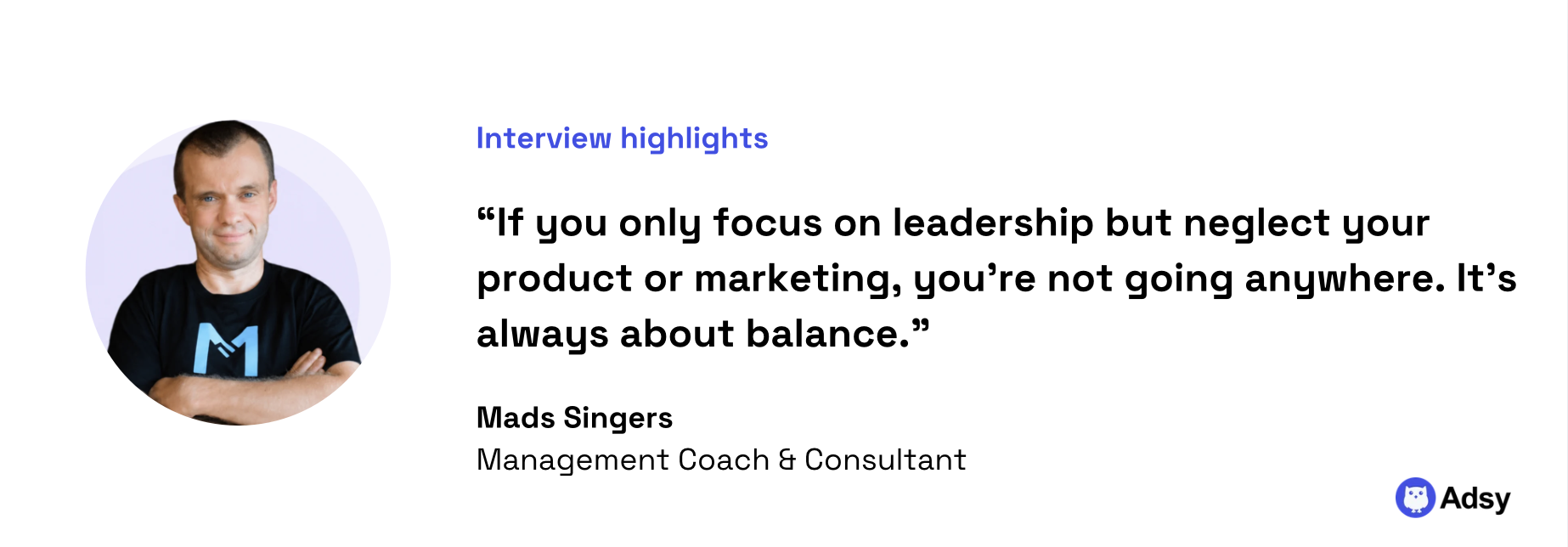
If you only focus on leadership but neglect your product or marketing, you're not going anywhere. It's always about balance.
Two priorities to build a business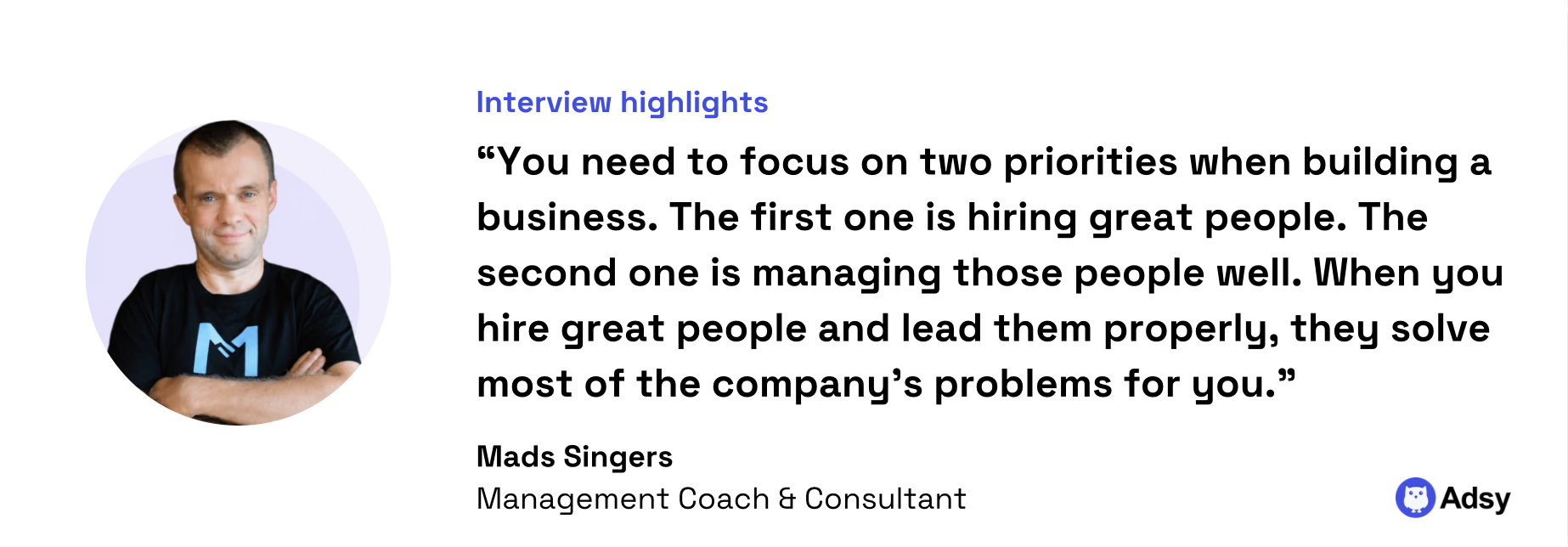
The biggest mistake many business owners make is trying to do everything themselves.
In reality, it only slows down the company's growth.
Surround yourself with exceptional people. And running a business will become much easier.
But hiring talented employees isn't enough.
You need to focus on two priorities when building a business. The first one is hiring great people. The second one is managing those people well. When you hire great people and lead them properly, they solve most of the company's problems for you.
Great managers adapt to different personalities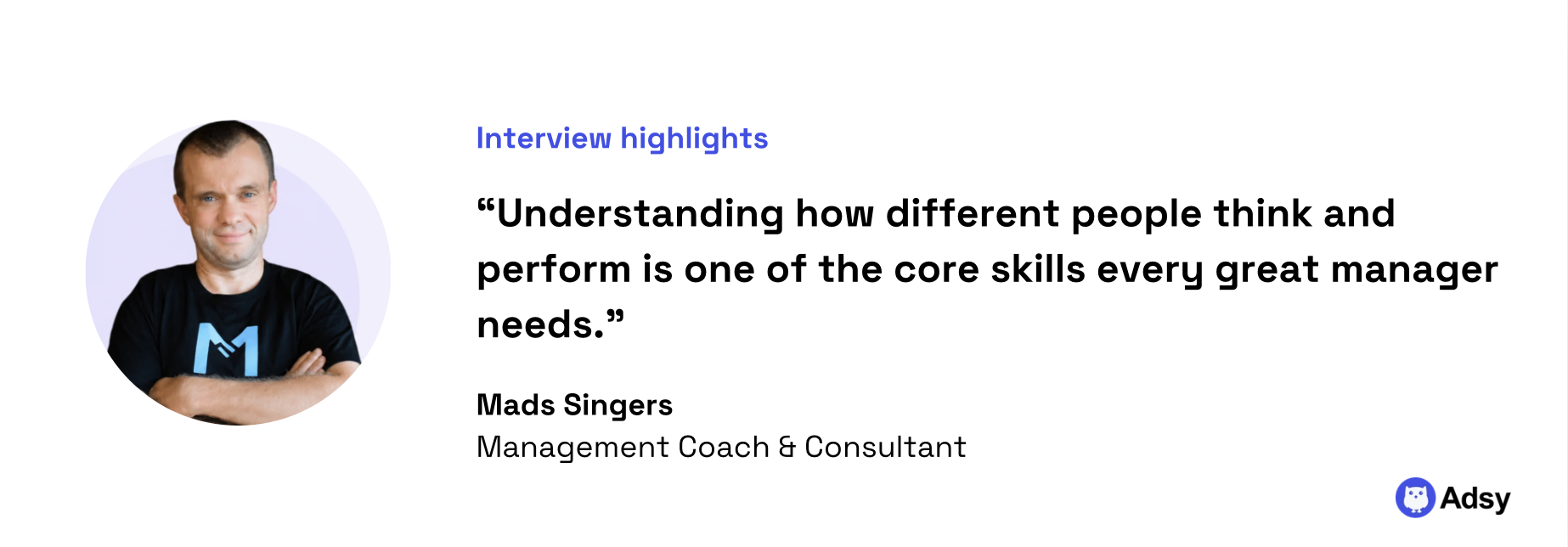
As soon as you have people with different personalities, strengths, and motivations, you need to adapt your management style accordingly.
You need to teach both yourself and your team how different personality types work best.
Understanding how different people think and perform is one of the core skills every great manager needs.
Delegation: The founder's biggest trap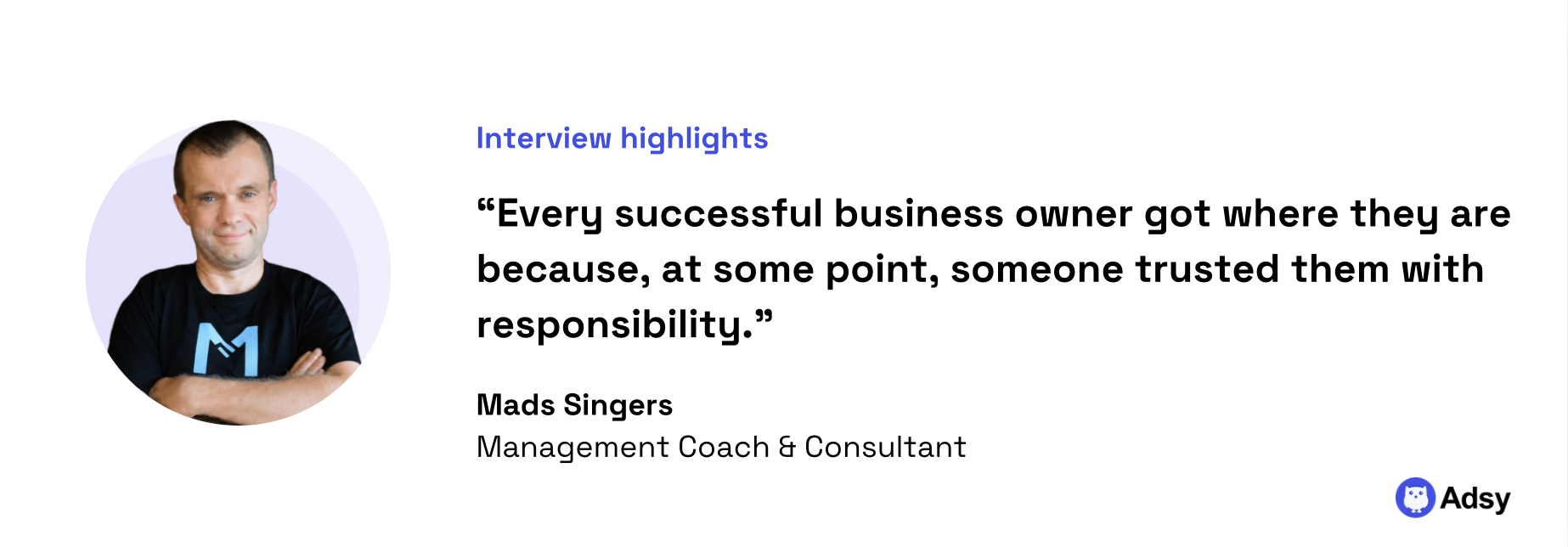
The biggest reason delegation fails is mindset. If you never step away from delivery, your company will never grow. Or it will grow painfully slowly.
I'd rather free up my time. Even if it means losing one or two clients. That same time could help me win five or ten new ones.
Delegation is an investment. There may be challenges in the short term. Over time, your company becomes much stronger. You develop someone who truly owns that area of the business.
That's how businesses scale.
Every successful business owner got where they are because, at some point, someone trusted them with responsibility.
Ownership creates better employees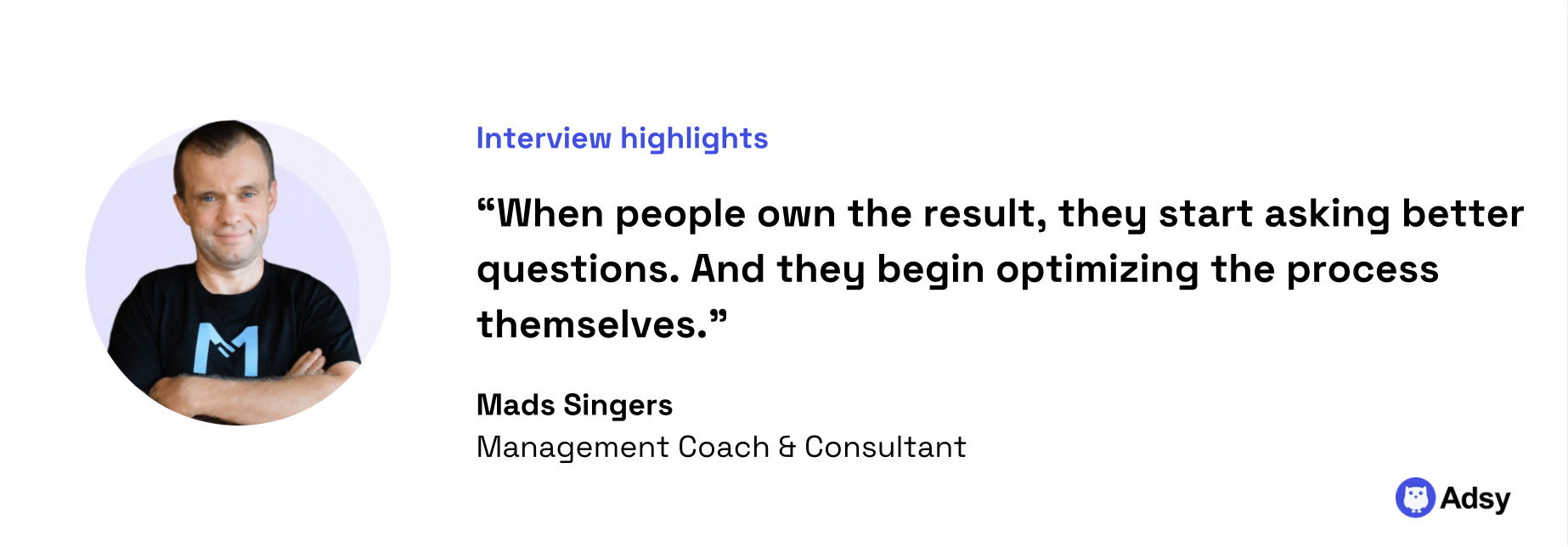
Great managers delegate responsibility instead of tasks.
Make your employees responsible for the outcome. Not just following instructions.
When people own the result, they start asking better questions.And they begin optimizing the process themselves.
Remote work vs. office work
If you have average performers, you'll often get more out of them by having them physically in the office.
And even with great people, there are genuine advantages to face-to-face collaboration. However…
Remote work gives you access to a much larger talent pool. Instead of hiring locally, you can recruit the best people from anywhere in the world. That increase in talent often outweighs the productivity gains of being in the same office.
Another thing I've noticed is that great leaders still get outstanding results from remote teams. Poor leaders usually struggle.
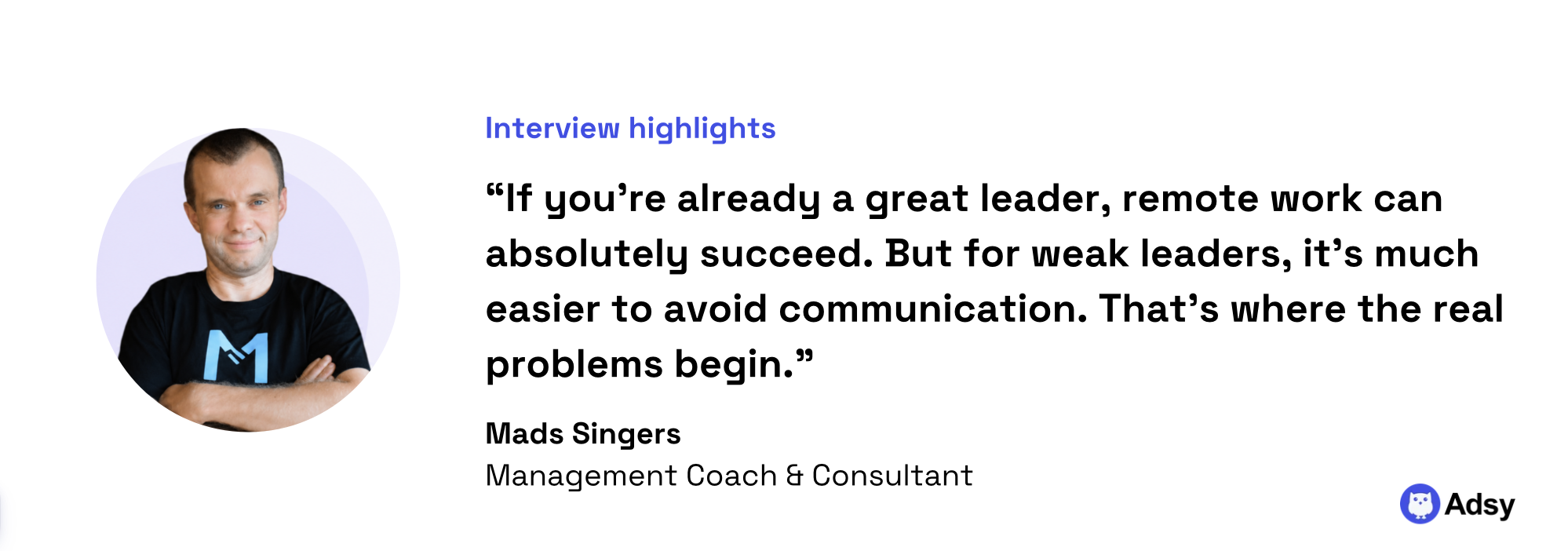
If you're already a great leader, remote work can absolutely succeed. But for weak leaders, it's much easier to avoid communication. That's where the real problems begin.
Who actually thrives in remote work?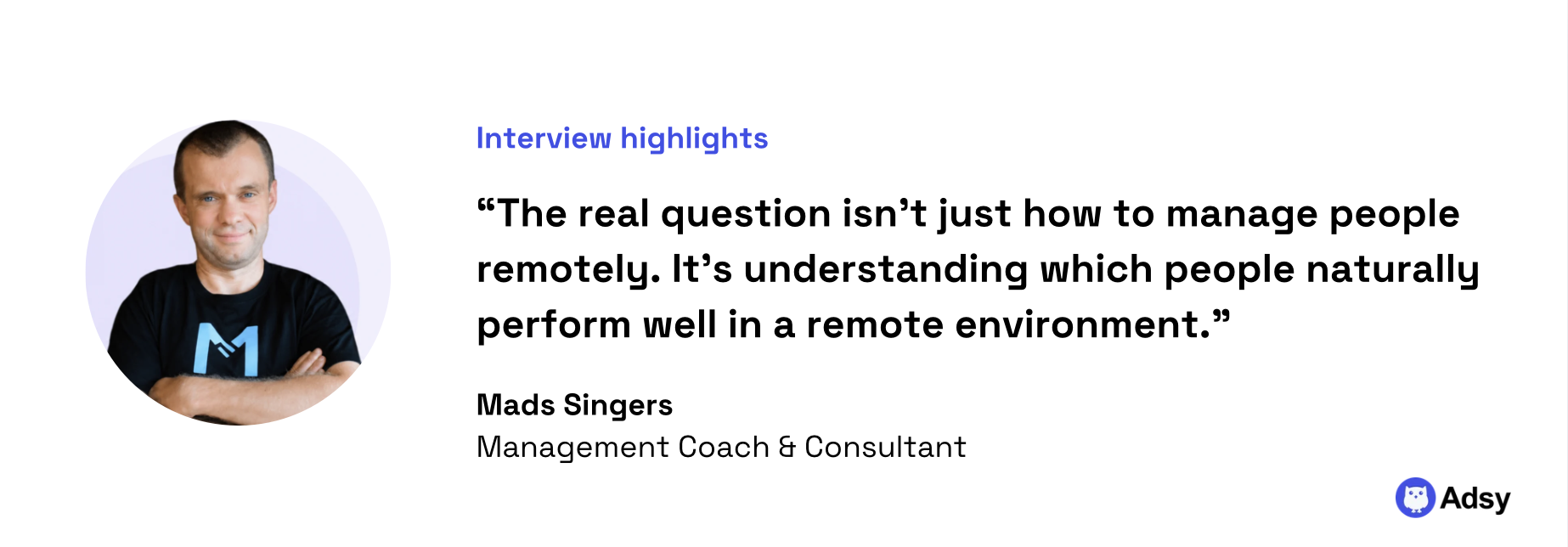
Remote work works much better for some personality types than others. Once you understand that, everything else starts to make more sense.
- Some people are perfectly comfortable spending the entire day behind a computer with very little social interaction.
- Others need constant human contact throughout the day.
The real question isn't just how to manage people remotely. It's understanding which people naturally perform well in a remote environment.
If you put the right people into the right remote roles, your chances of success increase dramatically.
Measure results, not hours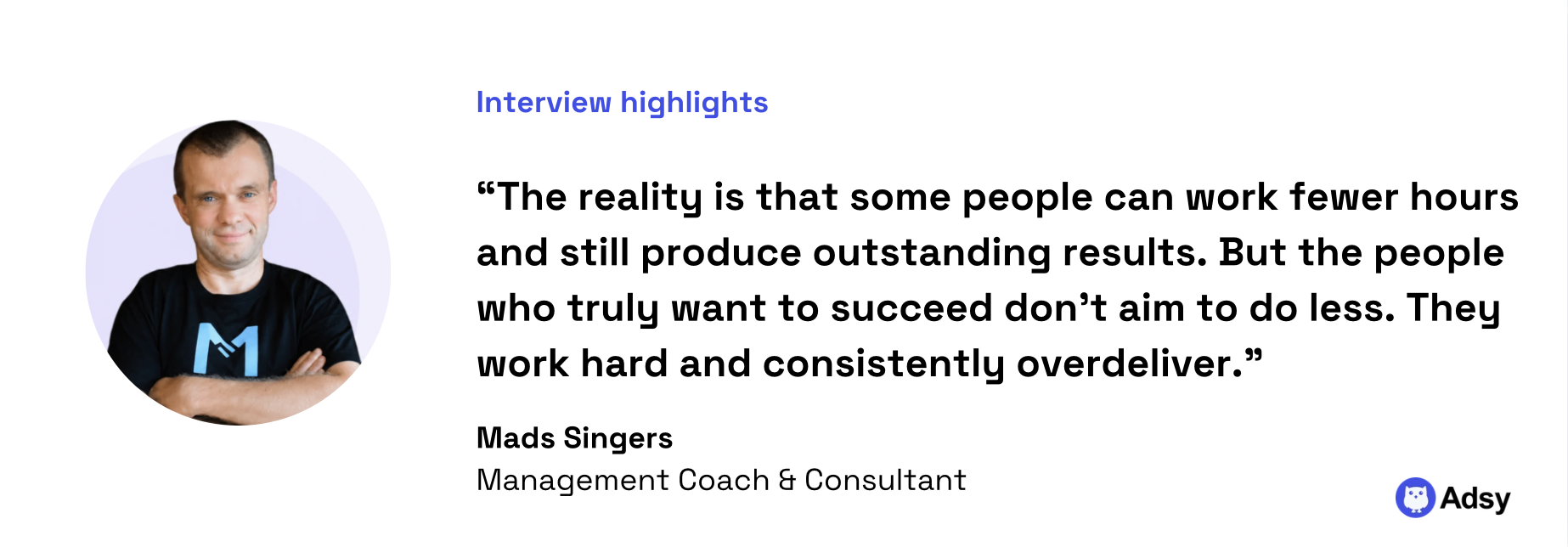
Every employee should know exactly what they're expected to deliver.
I don't care how many hours someone works or how many emails they send. I care about the results they deliver.
The reality is that some people can work fewer hours and still produce outstanding results. But the people who truly want to succeed don't aim to do less. They work hard and consistently overdeliver.
They understand that if they repeatedly exceed expectations, I can justify giving them:
- A raise,
- A promotion,
- Or more responsibility.
The strongest people I've worked with genuinely want to deliver more than what's expected.
Stop managing time. Start managing priorities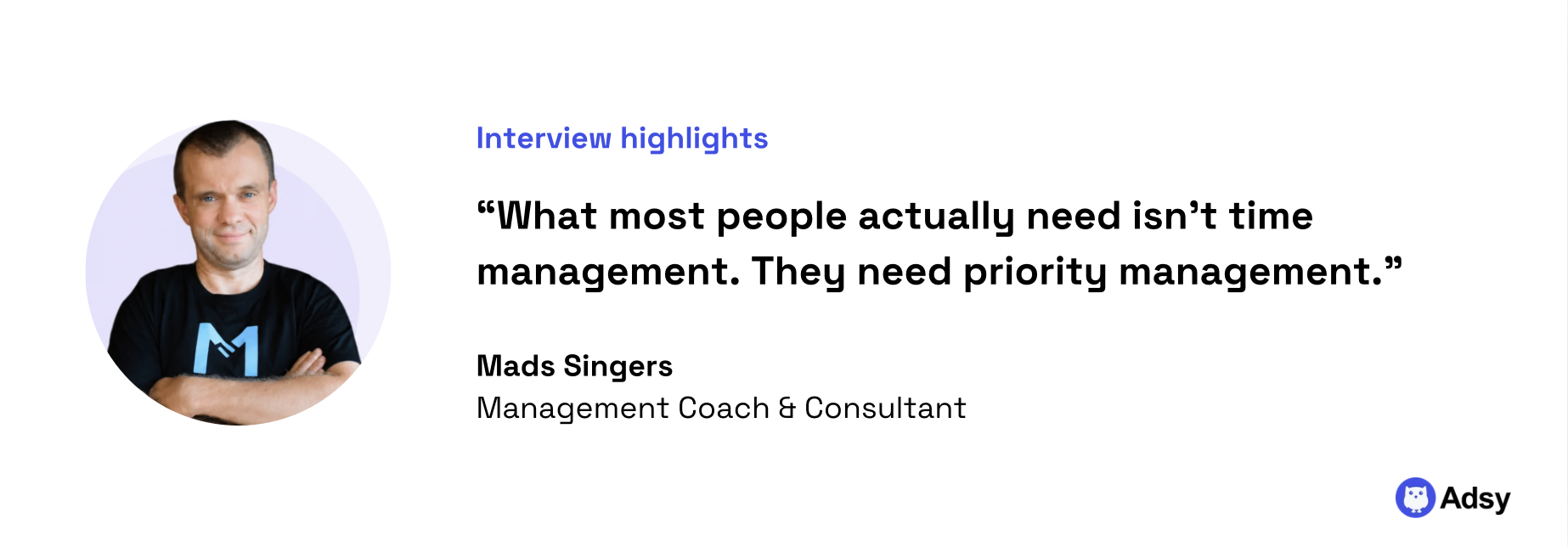
If you're not succeeding, it's usually not because you're doing too little. It's because you're doing the wrong things.
You can work 12 hours a day and think that you are good at time management. But at the same time, you still get nowhere because you're focused on the wrong things.
What most people actually need isn't time management. They need priority management.
One management habit every company should adopt
One management habit every company should adopt is one-on-one meetings.
Sit down regularly with your direct reports. Talk about their performance. Talk about their future. Talk about their personal lives.
If people genuinely feel that you care about them, they'll care about you and your company.
Also, use tools to track your one-on-ones, performance reviews, and employee development.
As your company grows, it's incredibly valuable because you can see:
- Who's having one-on-ones,
- How employees are performing,
- And where follow-ups are needed.
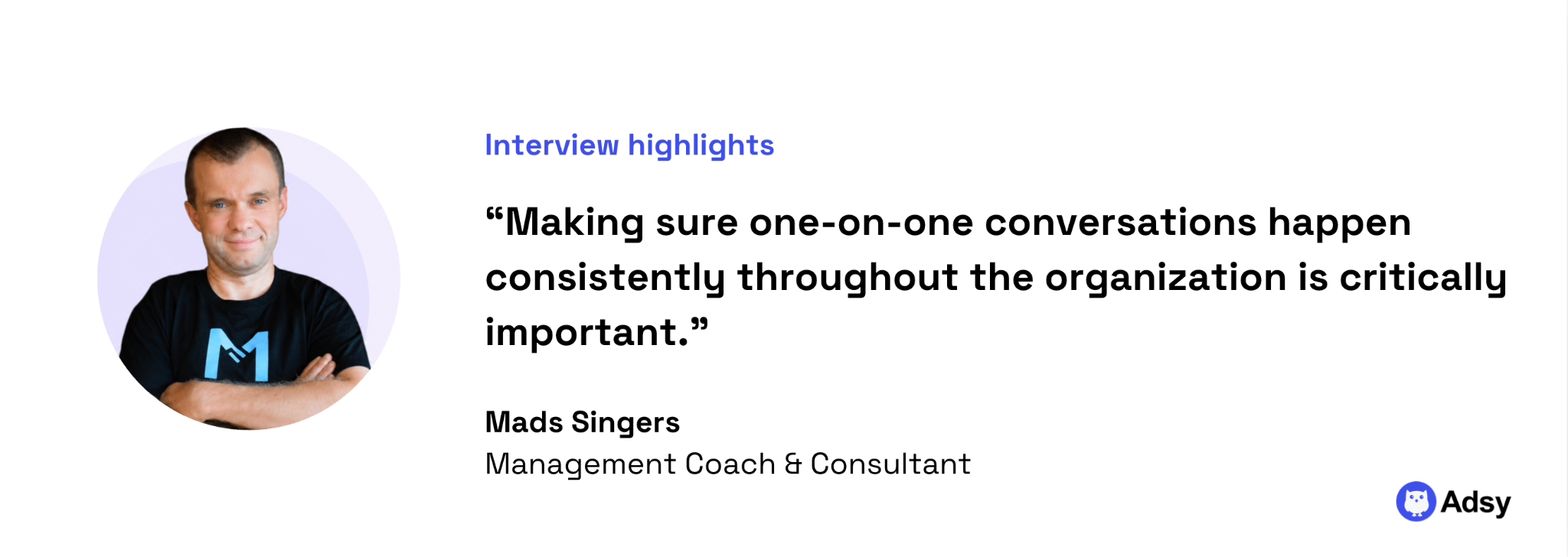
Making sure one-on-one conversations happen consistently throughout the organization is critically important.
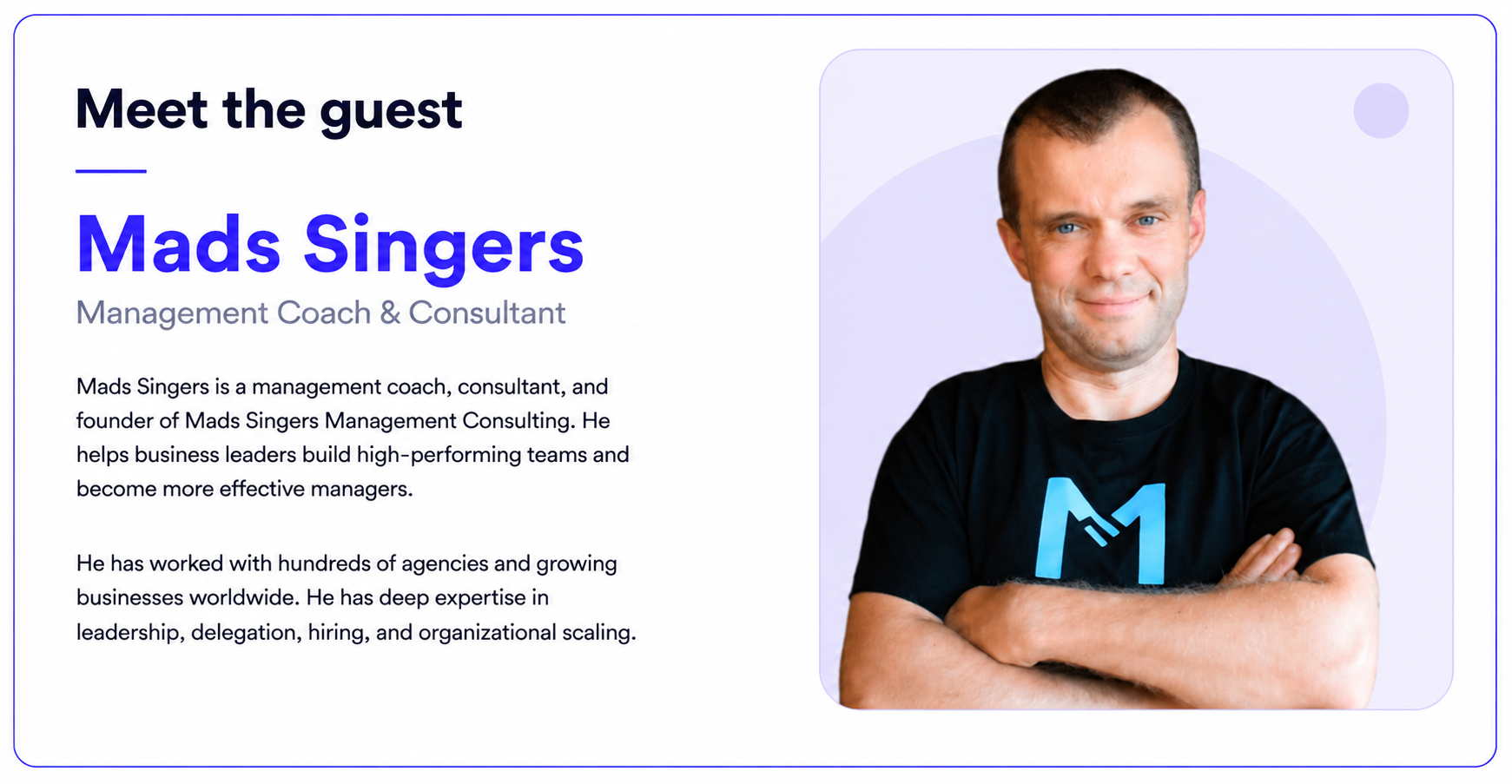
These are highlights from our Adsy Talks podcast with Mads Singers. For more insights, watch the full interview on our YouTube channel:
All trademarks, logos, images, and materials are the property of their respective rights holders.
They are used solely for informational, analytical, and review purposes in accordance with applicable copyright law.



 Sign Up
 Sign Up